
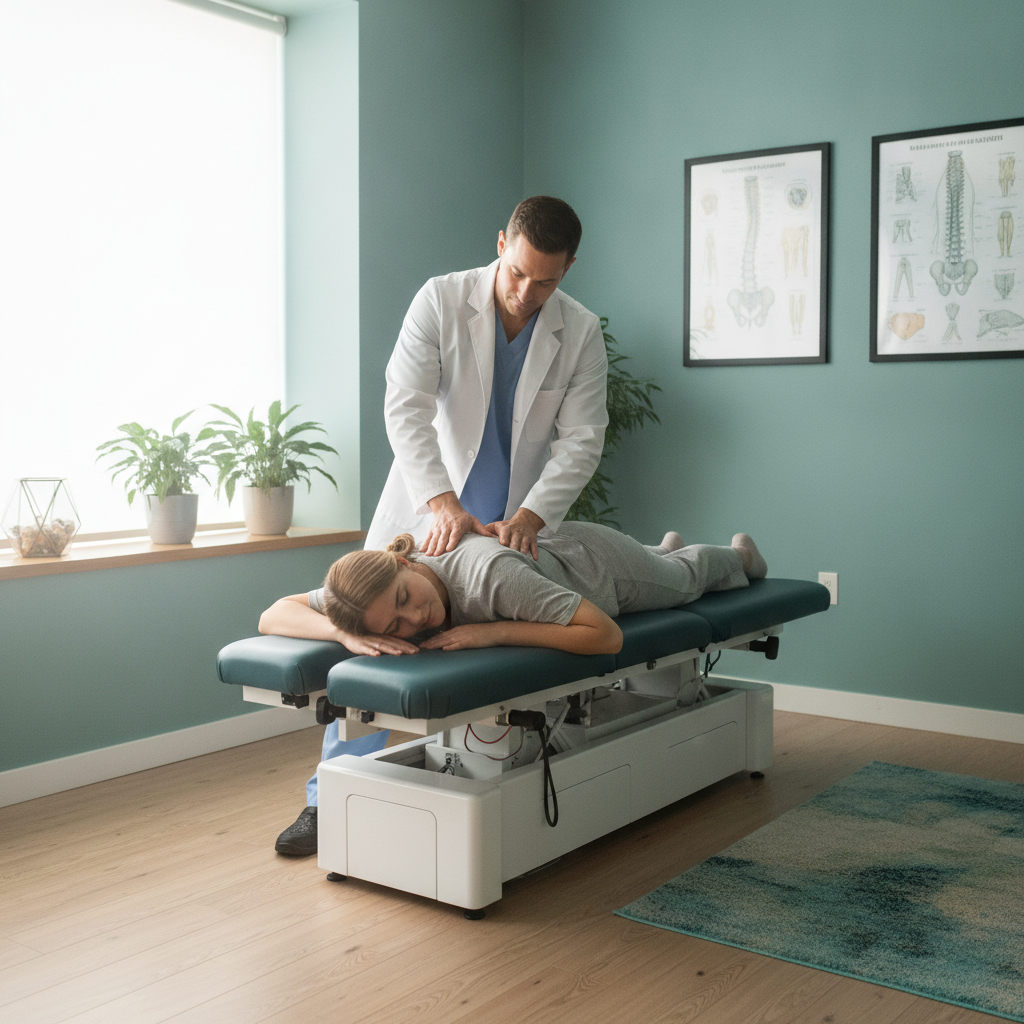
You know the feeling. You reach for something on a high shelf, twist to grab your seatbelt, or simply stand up after a long stretch at your laptop, and a tight band of stiffness grabs hold between your shoulder blades. It is not sharp enough to send you to the emergency room, but it is stubborn enough to make every day feel a little less comfortable. For many people in this community, that dull, locked-up sensation in the middle of the back has become an unwelcome companion. If you have been searching for a chiropractor for back pain Grass Lake MI residents can trust, understanding what is actually happening in your mid-back is a great first step.
The thoracic spine, the long section that runs from the base of your neck to the bottom of your rib cage, behaves differently than the lower back or neck. It is built for stability and protection, since it anchors your ribs and shields vital organs. That design makes it less mobile by nature, which also means it can stiffen quickly when posture, stress, or repetitive habits pile up. The good news is that mid-back stiffness is often manageable with a thoughtful, conservative approach. In this guide, we will walk through why this region gets stiff, how chiropractic care fits into the picture, what a visit may look like, and which everyday habits can help you stay loose between appointments. Whether you run a small business, write code for a living, or simply want to move more freely, there is something practical here for you.
Why the Middle of Your Back Gets So Stiff
The thoracic spine has twelve vertebrae, and each one connects to a pair of ribs. That rib attachment is what makes this area sturdy, but it also limits how far each joint can glide. When you spend hours in a slightly rounded position, the small joints between vertebrae and the joints where ribs meet the spine can become less mobile over time. Muscles on either side of the spine, such as the erector spinae and the rhomboids, may tighten in response, creating that familiar knotted feeling.
Stiffness here is rarely about one dramatic event. More often it builds slowly from small, repeated inputs: a monitor set too low, a steering wheel gripped tightly through traffic, shallow breathing during stressful days, or a lack of rotation in your normal routine. Many people with persistent back pain in the mid-back notice that it feels worse in the morning or after sitting, then eases a bit once they start moving, a pattern that often points to joint and muscle stiffness rather than something structural.
Common Signs Your Mid-Back Needs Attention
Mid-back stiffness does not always announce itself loudly. Sometimes it shows up as a vague tightness you only notice when you try to rotate your torso. Other times it feels like a deep ache that sits just beneath the shoulder blades, or a sensation that you cannot quite take a full breath without hitting a wall of resistance.
Here are some signals people commonly report:
- A feeling of tightness or restriction when twisting to look behind you
- Aching between the shoulder blades after sitting or standing for long stretches
- Difficulty taking deep breaths without discomfort or a sense of limitation
- Neck or shoulder tension that seems to originate lower down
- A need to constantly stretch, crack, or reposition throughout the day
None of these automatically mean something serious, but they are your body’s way of saying a region is not moving as freely as it should. Paying attention early often makes the next steps simpler.
How Chiropractic Care Approaches Thoracic Stiffness
Chiropractic care focuses on how the joints, muscles, and nervous system work together. When it comes to a stiff thoracic spine, the goal is generally to restore healthy motion to segments that have become restricted and to ease the muscle tension that tends to accompany that restriction. This is done through a combination of hands-on techniques tailored to the individual rather than a one-size-fits-all routine.
Many people exploring options for mid-back stiffness relief Grass Lake are surprised by how gentle some approaches can be. Adjustments may be delivered by hand or with a low-force instrument, and they can be paired with soft tissue work, guided stretching, and movement coaching. The intent is not to force anything, but to encourage joints to glide more naturally so your body can move with less resistance. Because every person’s spine and lifestyle differ, a good provider will adapt the approach based on how you respond rather than following a rigid script.
What Happens During a First Visit
Walking into a new office can feel intimidating, especially if you have never seen a chiropractor before. Knowing what to expect takes a lot of the mystery out of it. A first visit typically begins with a conversation about your symptoms, your daily routine, and anything that has made the stiffness better or worse. Be specific about when it started, what your workday looks like, and whether you have had any recent falls, injuries, or changes in activity.
Next comes a physical exam, which usually includes watching how you stand and move, checking your range of motion, and gently feeling along the spine and surrounding muscles for tight or tender areas. If your history suggests it is appropriate, imaging or a referral may be discussed. Choosing a Chiropractor in Grass Lake, MI who takes time to explain findings in plain language can make the experience far more comfortable. You should leave with a clear sense of what was found, what the plan looks like, and what you can do at home.
Stiffness After a Minor Fall or Jolt
Sometimes mid-back stiffness is not a slow burn at all. A misstep on an icy porch, a slip on a wet floor, or even a sudden stop in the car can leave the upper and middle back feeling jarred and guarded. Muscles often tighten protectively after a jolt, and joints that took the force may feel restricted for days or weeks afterward, even when nothing feels dramatically wrong.
Because these episodes can leave lingering tension, it can be helpful to read about How Chiropractic Adjustments May Support Recovery After a Minor Fall and understand how gentle care may fit into the recovery process. Of course, any significant impact, severe pain, numbness, or weakness deserves prompt medical evaluation first. For minor incidents where a thorough exam rules out red flags, conservative care may help restore comfortable motion while you gradually return to normal activity.
When It Might Be More Than Simple Stiffness
Most mid-back stiffness is mechanical, meaning it relates to how joints and muscles are moving. But it is worth knowing that discomfort in this area can occasionally have other sources, including disc irritation, nerve involvement, or issues that start elsewhere in the body. A thorough evaluation helps separate the common from the concerning.
If your symptoms include radiating pain, tingling, or weakness, it may be worth learning What to Know About Back Pain Caused by Herniated Discs so you can have a more informed conversation with your provider. Also seek urgent medical attention if you experience chest pain, shortness of breath, unexplained weight loss, fever alongside back pain, or loss of bladder or bowel control. A responsible chiropractor will screen for these warning signs and refer you appropriately when something falls outside the scope of conservative care.
Desk Habits That Keep the Thoracic Spine Locked Up
If you are a developer, a small business owner juggling spreadsheets, or anyone who lives in front of a screen, your setup matters more than you might think. The thoracic spine tends to round forward when you lean toward your monitor, and the longer you hold that posture, the more your joints and muscles adapt to it. The result is a back that feels like it has been set in concrete by Friday afternoon.
Small adjustments can make a real difference. Raise your monitor so the top third sits near eye level. Keep your forearms supported so your shoulders are not hiking toward your ears. Set a timer to stand, reach overhead, and rotate gently every thirty to forty-five minutes. Even a one-minute reset interrupts the static loading that contributes to stiffness. None of this requires special equipment, just a little awareness and consistency woven into the flow of your workday.
Simple Mobility Moves to Practice at Home
Between visits, gentle movement keeps the progress you make from slipping away. The goal is not to push through pain but to coax your mid-back through its natural range in a comfortable way. Pick two or three of these and do them daily, ideally at a consistent time so they become habit.
- Thoracic extension over a chair back: sit tall, clasp your hands behind your head, and gently arch over the top edge of the chair for a few slow breaths
- Open book rotation: lie on your side with knees bent, then slowly open the top arm across your chest toward the floor behind you
- Cat and cow: on hands and knees, alternate rounding and arching through the whole spine
- Doorway chest stretch: open the front of the shoulders to counter forward rounding
Breathe slowly through each one, since the ribs move with every breath and deep breathing itself is a mobility exercise. If anything sharpens or sends symptoms down an arm, ease off and mention it at your next appointment.
A Quick Comparison of Common Mid-Back Contributors
It can help to see how different everyday factors tend to influence the thoracic spine. The table below summarizes common contributors, how they typically feel, and the kind of habit adjustment that often helps. Treat it as a general guide rather than a diagnosis, since individual experiences vary.
| Contributor | How It Often Feels | Helpful Habit Change |
|---|---|---|
| Prolonged sitting | Dull ache between shoulder blades | Short movement breaks every 30 to 45 minutes |
| Shallow stress breathing | Tight ribs, limited deep breaths | Slow diaphragmatic breathing practice |
| Repetitive overhead or lifting tasks | Localized muscle soreness | Warm-up and rotation work before activity |
| Poorly set monitor or phone use | Rounded upper back and neck strain | Raise screens toward eye level |
Setting Realistic Expectations for Progress
One of the most helpful things you can do is go in with realistic expectations. Some people notice a change in how loose they feel after a session or two, while others need more time, especially if the stiffness has been building for months or years. Muscles and joints adapt gradually, and the habits that created the stiffness usually need to shift as well for improvements to hold.
A good care plan is flexible. Early on, visits may be closer together while your body responds, then spaced further apart as you stabilize. Your provider should check in regularly about what is improving, what is not, and whether the approach needs to change. Be honest about your goals, whether that is sitting through a workday comfortably, enjoying weekend projects, or simply sleeping better. Clear goals make it easier to measure progress and decide when you are ready to shift toward maintenance or self-care.
Daily Lifestyle Supports Beyond the Office
Chiropractic care works best as one piece of a larger picture. Sleep, hydration, general activity, and stress management all influence how your muscles and joints feel. A supportive pillow that keeps your spine in a neutral line, a mattress that is not sagging, and a wind-down routine that eases tension can quietly improve how you feel in the morning.
Regular walking is another underrated ally, because gentle rhythmic movement encourages the spine and ribs to keep moving. Strengthening the muscles that support good posture, like the mid-back and shoulder stabilizers, can also reduce the load on stiff joints. Consider adding a few rows or band pulls to your weekly routine. Finally, give stress a pressure valve, whether that is a short walk, stretching, or a few minutes of quiet breathing, since chronic tension tends to settle right into the shoulders and mid-back.
Your Next Steps
Mid-back stiffness is common, but it does not have to be something you simply accept. The thoracic spine is designed for stability, which means it can lock up when posture, stress, and repetitive habits stack together. Understanding why it happens gives you real leverage: small changes at your desk, a few daily mobility moves, and attention to how you breathe and sleep can all make a noticeable difference over time.
When stiffness lingers or starts interfering with work, sleep, or the activities you enjoy, a conservative chiropractic evaluation can help identify what is driving it and what to do about it. A thoughtful provider will listen, examine carefully, explain findings clearly, and build a plan around your lifestyle rather than a script. They will also know when to refer you elsewhere if something warrants a different kind of care.
Start with what you can control today. Raise your screen, stand up and rotate, take a few deep breaths, and pay attention to how your body responds. If the stiffness persists, reach out to a local professional, ask questions, and take the next step toward moving more freely. Your mid-back carries a lot of your daily life, and giving it a little consistent attention can pay off in comfort for years to come.