
Back pain is a common struggle for people from all walks of life, and one of the most misunderstood causes is a herniated disc. Whether you’re a small business owner juggling long hours, a developer spending days at a desk, or someone simply trying to enjoy daily activities, understanding the root of your discomfort is the first step toward relief. For those searching for Back Pain Treatment Grass Lake MI, learning about herniated discs can help you make informed decisions about your health. This article explores what a herniated disc is, why it causes pain, how it’s diagnosed, and what treatment options are available. We’ll also look at lifestyle changes, prevention strategies, and how local care providers can support your journey to better spinal health. If you’re ready to take control of your back pain, read on for practical insights and actionable steps.
What Is a Herniated Disc?
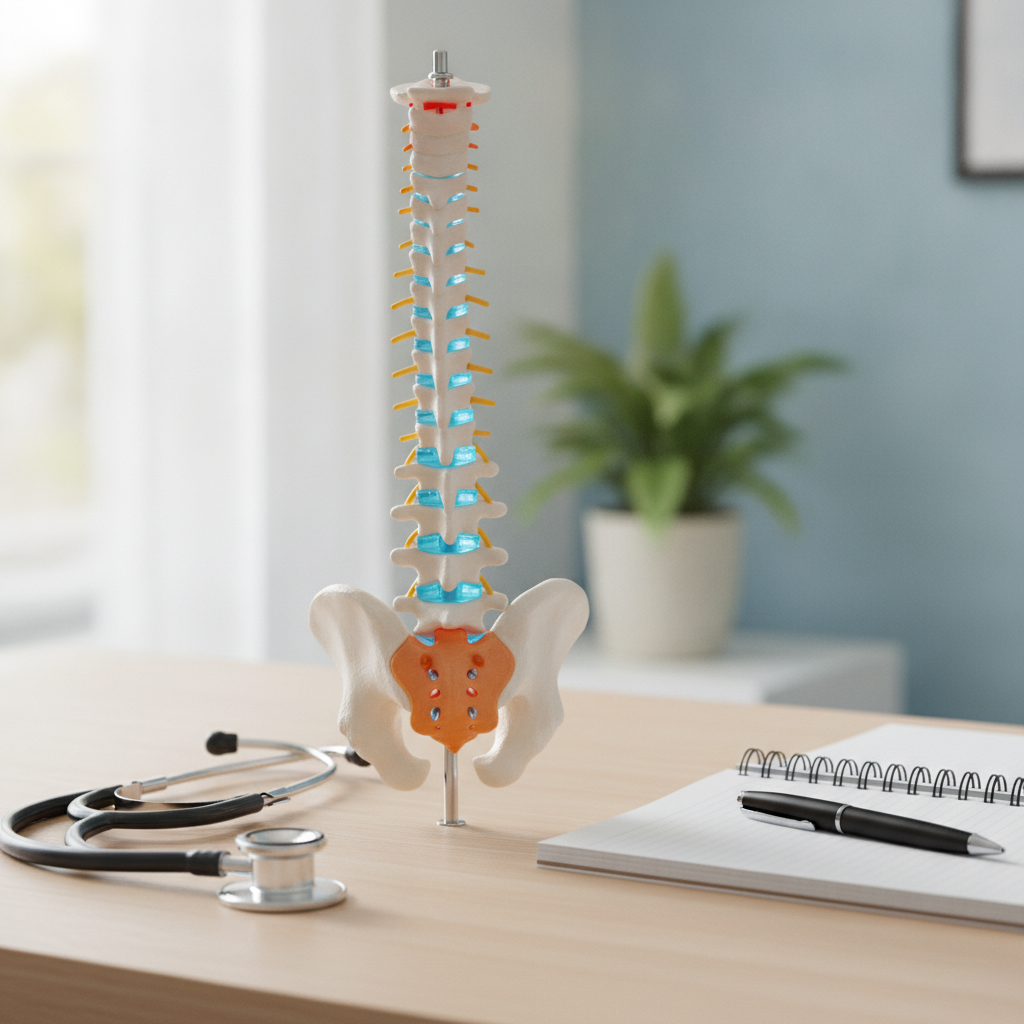
A herniated disc, sometimes called a slipped or ruptured disc, occurs when the soft inner gel of a spinal disc pushes through a crack in the tougher exterior casing. Discs act as cushions between the bones (vertebrae) in your spine, absorbing shock and enabling flexibility. When a disc herniates, it can press on nearby nerves, causing pain, numbness, or weakness. This condition is most common in the lower back, but it can also affect the neck. Herniated discs can develop from aging, repetitive strain, sudden injury, or even improper lifting. If you suspect a herniated disc is behind your discomfort, it’s important to seek professional evaluation. For more details and expert care, visit our site to explore your options.
How Herniated Discs Cause Back Pain
The pain from a herniated disc is often the result of nerve compression. When the disc material leaks out, it can irritate or press on spinal nerves, leading to sharp, shooting pain that may radiate down the legs (sciatica) or arms, depending on the disc’s location. Inflammation in the area can add to the discomfort, sometimes causing muscle spasms or stiffness. Not every herniated disc causes symptoms, but when they do, the pain can be intense and persistent. Activities like bending, twisting, or sitting for long periods often make it worse. Early intervention is key to preventing chronic pain and further nerve damage. If you’re looking for herniated disc relief, understanding these mechanisms can help you communicate your symptoms more effectively to your healthcare provider.
Recognizing the Signs and Symptoms
Symptoms of a herniated disc can vary widely based on the disc’s location and the nerves affected. Common signs include localized back or neck pain, tingling or numbness in the limbs, muscle weakness, and pain that worsens with movement. Some people experience sudden, severe pain after lifting or twisting, while others notice a gradual onset. In rare cases, herniated discs can cause loss of bladder or bowel control, which requires immediate medical attention. Early recognition of these symptoms can lead to faster diagnosis and better outcomes. If you’re unsure whether your discomfort is related to a herniated disc, a Chiropractor in Grass Lake, MI can help evaluate your condition and recommend next steps.
Common Causes and Risk Factors
Several factors can increase your risk of developing a herniated disc. Age-related wear and tear, known as disc degeneration, is a leading cause. Repetitive motions, heavy lifting, poor posture, and sudden trauma can also contribute. Genetics may play a role, making some people more susceptible. Occupations that require frequent bending, twisting, or sitting can put additional strain on the spine. Smoking, obesity, and lack of regular exercise further elevate the risk. Understanding these risk factors can help you take proactive steps to protect your spine. For those whose daily lives involve physical labor or desk work, learning about Chiropractic Care for Back Pain Caused by Heavy Lifting and Daily Strain can be especially beneficial.
Diagnosing a Herniated Disc: What to Expect
If you suspect a herniated disc, your healthcare provider will start with a thorough medical history and physical examination. They may test your reflexes, muscle strength, and ability to feel light touches or pinpricks on your skin. Imaging tests, such as MRI or CT scans, help confirm the diagnosis and pinpoint the affected disc. Sometimes, X-rays are used to rule out other causes of back pain. Accurate diagnosis is crucial for developing an effective treatment plan. In this community, many people benefit from early assessment and personalized care, which can help avoid unnecessary procedures and speed up recovery. Don’t hesitate to seek professional advice if your symptoms persist or worsen.
Non-Surgical Treatment Options
Most herniated discs can be managed without surgery. Common non-surgical treatments include rest, ice or heat therapy, and over-the-counter pain relievers. Physical therapy plays a significant role, focusing on exercises that strengthen the muscles supporting your spine and improve flexibility. Manual therapies, such as chiropractic adjustments or massage, may help reduce pain and restore movement. In some cases, doctors recommend short-term use of muscle relaxants or anti-inflammatory medications. It’s important to follow a treatment plan tailored to your specific needs and symptoms. Many residents find that a combination of therapies provides the best results, allowing them to return to work and daily activities with less discomfort.
When Surgery Might Be Considered
Surgery for a herniated disc is typically reserved for cases where conservative treatments have failed or when symptoms are severe. Indications for surgery include persistent pain that interferes with daily life, significant weakness, or loss of bladder or bowel control. The most common procedure is a discectomy, where the portion of the disc pressing on the nerve is removed. Advances in minimally invasive techniques have reduced recovery times and risks. However, surgery is not always necessary, and many people recover fully with non-surgical care. Discuss all options with your healthcare provider, weighing the potential benefits and risks before making a decision. In the region, patients are encouraged to explore every avenue for relief before considering surgical intervention.
Lifestyle Changes to Support Recovery
Making positive lifestyle changes can significantly aid recovery from a herniated disc and help prevent future issues. Maintaining a healthy weight reduces strain on your spine, while regular low-impact exercise, such as walking or swimming, keeps your back muscles strong and flexible. Practicing good posture, both while sitting and standing, minimizes unnecessary pressure on your discs. Ergonomic adjustments to your workspace can also make a big difference, especially for those who spend long hours at a desk. Avoiding heavy lifting and learning proper body mechanics are key for those with physically demanding jobs. Small, consistent changes add up to big improvements in spinal health over time.
The Role of Posture and Movement
Posture and movement habits play a crucial role in both the development and management of herniated discs. Slouching, hunching over devices, or sitting for extended periods can increase pressure on the discs and contribute to injury. Incorporating regular movement breaks, gentle stretches, and mindful posture checks throughout the day can help reduce your risk. For those seeking to understand how posture impacts spinal health, How Posture Checks Can Reveal Hidden Spine Stress offers valuable insights. By becoming more aware of your body mechanics, you can make adjustments that support a healthier, pain-free back.
Prevention Strategies for a Healthier Spine
Preventing herniated discs involves a proactive approach to spinal health. Regular exercise, especially activities that strengthen your core and back muscles, is essential. Stretching before and after physical activity helps maintain flexibility. If your job involves lifting, always use your legs rather than your back, and avoid twisting motions. Staying hydrated and eating a balanced diet support disc health. Smokers should consider quitting, as smoking can accelerate disc degeneration. Educating yourself about proper body mechanics and making small changes in daily routines can go a long way in keeping your spine healthy for years to come.
Comparing Common Back Pain Causes
| Cause | Typical Symptoms | Treatment Approaches |
|---|---|---|
| Herniated Disc | Sharp, radiating pain, numbness, weakness | Physical therapy, chiropractic care, medication, surgery (rare) |
| Muscle Strain | Aching, localized pain, stiffness | Rest, ice/heat, stretching, massage |
| Spinal Stenosis | Leg pain, numbness, walking difficulty | Physical therapy, medication, surgery (sometimes) |
| Arthritis | Chronic stiffness, joint pain | Exercise, anti-inflammatories, lifestyle changes |
How Local Care Providers Can Help
Access to quality care is essential for anyone dealing with back pain from a herniated disc. In Grass Lake, experienced providers offer personalized evaluations and a range of treatment options tailored to your needs. Whether you’re seeking chiropractic adjustments, physical therapy, or guidance on lifestyle changes, local experts can help you develop a plan that fits your goals and daily routine. Many clinics also provide education on injury prevention and ergonomic improvements for your home or workplace. Building a relationship with a trusted provider ensures you have ongoing support throughout your recovery and beyond, helping you stay active and comfortable in your daily life.
Key Takeaways
Living with back pain from a herniated disc can be challenging, but understanding your condition is the first step toward lasting relief. By recognizing the signs, seeking timely diagnosis, and exploring a range of treatment options, you can regain control of your health and daily comfort. Remember that most herniated discs improve with non-surgical care and positive lifestyle changes. Local providers in Grass Lake are ready to support you with expert guidance and personalized care. Whether you’re a business owner, developer, or simply someone who wants to move freely again, taking action today can set you on the path to a healthier spine and a more active life.