
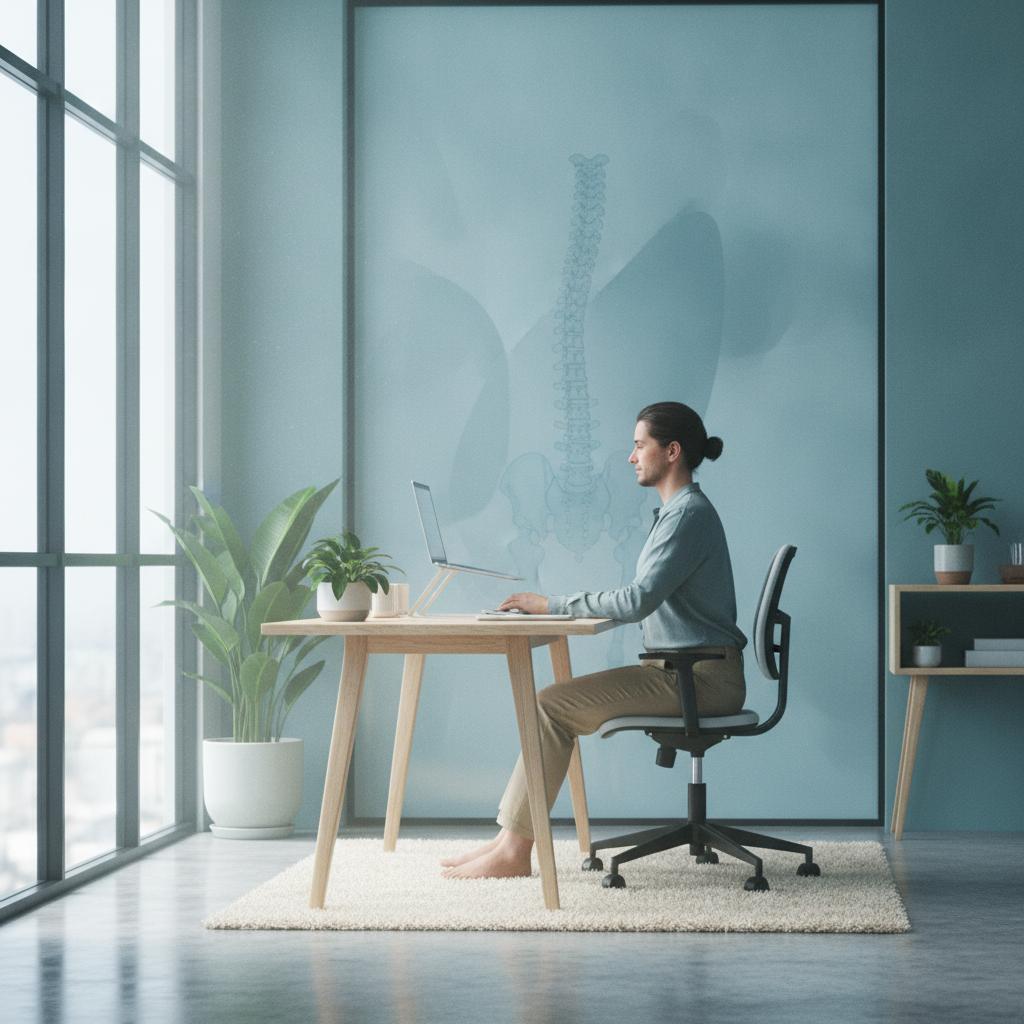
Have you ever wondered if your daily posture could be quietly putting stress on your spine? For small business owners, developers, and anyone spending long hours at a desk or on their feet, subtle posture issues often go unnoticed until discomfort or pain sets in. That’s why posture checks are more than just a quick glance in the mirror, they’re a powerful tool for revealing hidden spine stress before it leads to lasting problems. Whether you’re considering a Chiropractor Grass Lake MI for expert advice or just want to improve your daily comfort, understanding how posture assessments work can make a real difference. In this article, we’ll explore how posture checks uncover underlying issues, what signs to watch for, and how practical changes can protect your spine health for years to come. Read on to discover how a simple check-in with your posture could be the key to lasting comfort and productivity.
Why Posture Matters More Than You Think
Most people associate posture with how you look, but it’s much more than that. The alignment of your spine affects your nervous system, muscle balance, and even your energy levels. Poor posture can lead to chronic tension, headaches, and reduced mobility. Over time, these stresses accumulate, often without obvious symptoms at first. That’s why regular posture checks are essential, they help you spot issues early and prevent them from becoming major problems. For anyone seeking to maintain optimal spine health, paying attention to posture is one of the smartest long-term investments you can make.
How Posture Checks Reveal Hidden Stress
A posture check isn’t just about standing up straight, it’s a systematic assessment that looks for subtle imbalances. Trained professionals use visual observation, movement analysis, and sometimes digital tools to evaluate your alignment from head to toe. Even small deviations, like a tilted pelvis or rounded shoulders, can signal underlying muscle strain or joint stress. These findings often explain why discomfort lingers or why injuries recur. By identifying these hidden stressors, posture checks empower you to take targeted action. Many people in the area have found that working with Grass Lake Chiropractic can help pinpoint and address these issues before they escalate.
Common Signs Your Spine Is Under Strain
You don’t have to wait for severe pain to know something’s off with your posture. Common warning signs include frequent headaches, neck stiffness, lower back aches, and even tingling in your arms or legs. Sometimes, you might notice uneven wear on your shoes or find it hard to sit comfortably for long periods. These subtle clues often point to underlying alignment issues that a Chiropractor in Grass Lake, MI can help assess. Recognizing these early signs is crucial for preventing chronic problems and maintaining an active, pain-free lifestyle.
What to Expect During a Professional Posture Assessment
A professional posture assessment typically begins with a detailed health history and a discussion of your daily routines. The practitioner will observe your standing and sitting posture, check your range of motion, and may use tools to measure alignment. You might be asked to perform simple movements or balance tests. The goal is to identify patterns of tension, muscle imbalances, and any compensations your body has developed. For those experiencing persistent tightness, understanding What to Expect During a Chiropractic Visit for Persistent Back Tightness in Grass Lake, MI can help you feel more prepared and confident about the process.
Differentiating Muscle, Joint, and Nerve-Related Discomfort
Not all back pain is created equal. Sometimes, discomfort stems from tight muscles, while other times, the source is joint misalignment or nerve irritation. Posture checks can help differentiate these causes by revealing movement restrictions, muscle asymmetries, or unusual patterns of pain. For example, a slouched posture might compress nerves, while a rotated pelvis could strain muscles and joints. Understanding these distinctions is vital for effective care. If you’re unsure about the root cause of your discomfort, resources like How to Tell if Your Back Pain Is Muscular, Joint-Related, or Nerve-Related can provide clarity and guide your next steps.
Desk Jobs and Digital Lifestyles: The Modern Posture Challenge
For developers, remote workers, and business owners, hours spent at a computer can take a toll on spinal health. Prolonged sitting often leads to rounded shoulders, forward head posture, and tight hip flexors. These changes put extra pressure on the lower back and neck, increasing the risk of chronic pain. Regular posture checks can help you catch these issues early, prompting ergonomic adjustments and movement breaks. Even simple tweaks, like adjusting your monitor height or using a supportive chair, can make a significant difference. Staying mindful of your posture throughout the workday is key to preventing long-term spine stress.
On Your Feet All Day? Posture Risks for Active Professionals
It’s not just desk workers who face posture challenges. Small business owners and professionals who spend hours standing, lifting, or moving around are also at risk. Standing for long periods can lead to uneven weight distribution, overworked muscles, and fatigue. Without regular posture checks, these subtle stresses can accumulate, leading to discomfort or even injury. Rotating tasks, using anti-fatigue mats, and wearing supportive footwear are practical ways to reduce strain. By staying proactive and attentive to your body’s signals, you can keep your spine healthy and resilient, even in physically demanding roles.
Simple Self-Checks to Monitor Your Posture at Home
While professional assessments are invaluable, there are simple self-checks you can do at home to monitor your posture. Stand against a wall with your heels, hips, shoulders, and head touching the surface. Notice any gaps or discomfort. Try sitting with your feet flat, knees at hip level, and back straight, does it feel natural or strained? Regularly scanning your body for tension, uneven shoulders, or forward head position can help you catch small issues before they become bigger problems. These self-checks are quick and easy, making them a great habit for anyone invested in their long-term spine health.
How Stress and Emotions Affect Posture
Posture isn’t just physical, it’s influenced by your emotional state as well. Stress, anxiety, and fatigue often cause people to slump their shoulders, tense their neck, or clench their jaw. Over time, these patterns can become ingrained, contributing to chronic spine stress. Mindfulness practices, deep breathing, and regular movement can help break the cycle. Recognizing the link between your mood and your posture is a powerful step toward holistic well-being. By addressing both the physical and emotional aspects of posture, you can support a healthier, more balanced spine.
Practical Changes for Lasting Spine Health
Once you’ve identified posture issues, small changes can yield big results. Incorporate regular movement breaks into your day, stretch tight muscles, and strengthen weak areas with targeted exercises. Adjust your workspace to promote neutral alignment and consider supportive tools like lumbar cushions or standing desks. For those in the Grass Lake area, seeking guidance from a local professional can help tailor solutions to your unique needs. Remember, consistency is key, making posture awareness a daily habit is the best way to protect your spine for the long haul.
Comparing Common Posture Issues and Their Impact
| Posture Issue | Common Symptoms | Potential Impact |
|---|---|---|
| Forward Head Posture | Neck pain, headaches, shoulder tension | Reduced mobility, nerve compression |
| Rounded Shoulders | Upper back pain, tight chest | Impaired breathing, muscle imbalance |
| Anterior Pelvic Tilt | Low back pain, tight hip flexors | Increased lumbar stress, poor core stability |
| Uneven Shoulders or Hips | Asymmetrical pain, limited range of motion | Risk of overuse injuries, gait problems |
Bringing It Together
Posture checks are a simple yet powerful way to uncover hidden spine stress and prevent future discomfort. Whether you’re working at a desk, standing all day, or juggling both, paying attention to your alignment can make a world of difference. By recognizing early warning signs, seeking professional guidance when needed, and making practical adjustments, you can support your spine’s health for years to come. Remember, small changes add up, so start with a posture check today and invest in a more comfortable, productive tomorrow. If you’re in the Grass Lake community and want expert support, local professionals are ready to help you move, work, and live with confidence.