
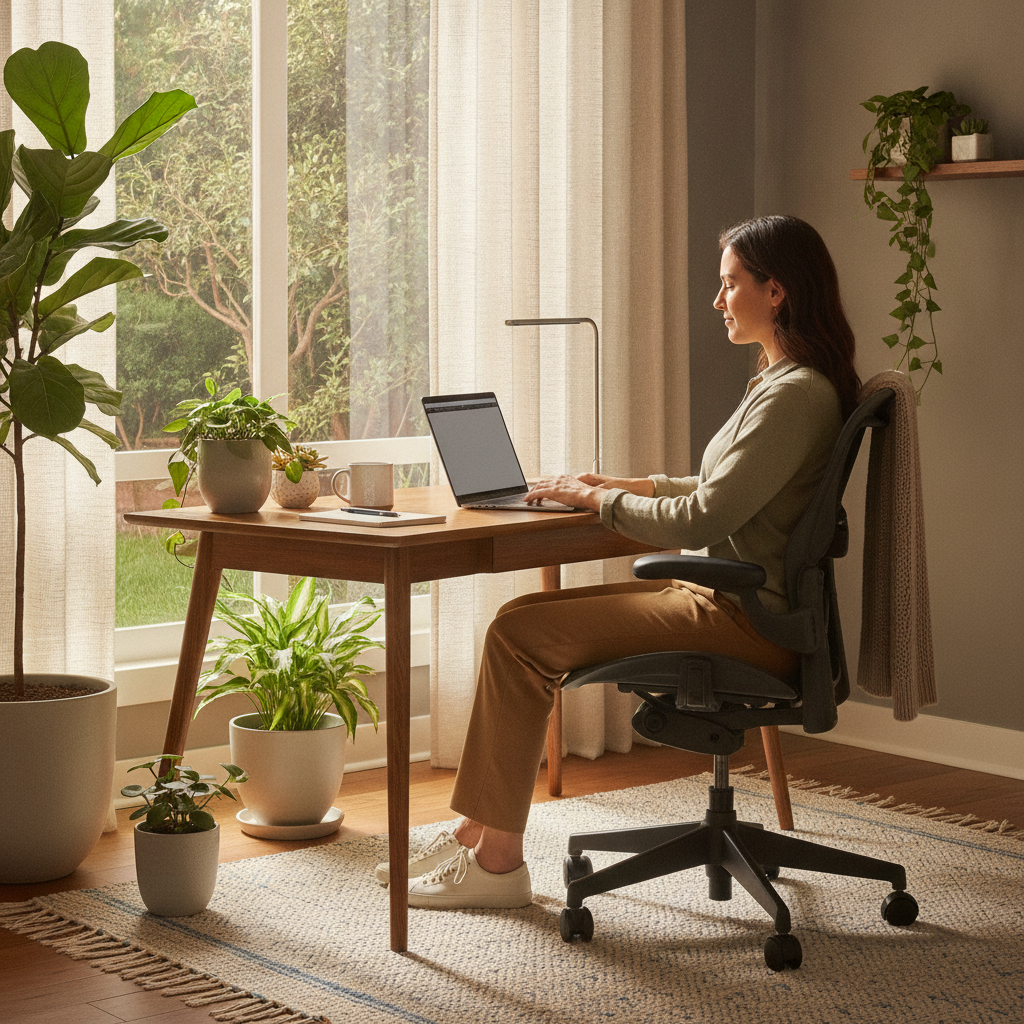
Most of us do not wake up one morning with a sore back for no reason. The strain builds quietly, one slouched hour at a time, until a normal day starts to feel heavy. If you run a small business, write code, drive a truck, or simply spend a lot of time looking at screens, your body is probably paying a small tax every single day. The good news is that many of the habits behind that tax are fixable with small, practical changes. If you have been searching for back pain treatment in Grass Lake MI, it helps to understand what is actually happening in your spine and what you can adjust before pain takes over your routine.
This guide is not about perfect posture, because nobody holds perfect posture all day. It is about spotting the common patterns that overload your back, then swapping them for easier, more sustainable ones. We will walk through the desk, the car, the phone, the way you stand, the way you lift, and the small movement habits that make a surprisingly large difference. You will also find a quick reference table you can screenshot and keep nearby.
Think of each fix as a low-cost experiment. Try one or two this week, notice how your body responds, and build from there. Small corrections repeated daily tend to beat big overhauls you abandon after three days.
Why Small Posture Habits Add Up to Big Strain
Your spine is designed to share load across its natural curves. When you slump, those curves flatten or exaggerate, and the muscles and joints around them start working harder than they should. A single slouch is harmless. Thousands of them across a week are a different story, because tissues that stay in one loaded position for long stretches tend to get stiff, tired, and irritated.
Think of it like carrying a grocery bag at arm’s length instead of close to your body. The bag weighs the same, but the leverage makes it feel far heavier. Your head works the same way. When it drifts forward of your shoulders, the muscles in your neck and upper back have to hold it up against gravity, and that tension often travels down toward the lower back as well.
Many people find that a focus on posture correction and spinal care helps them understand which daily positions are quietly causing the most trouble. The goal is awareness first, then gentle adjustment, rather than forcing yourself into a rigid military stance that you cannot maintain.
Setting Up Your Desk So Your Back Does Less Work
Your workstation is the easiest place to make a big improvement, because you only have to set it up once. Start with your chair height. Your feet should rest flat on the floor with your knees roughly level with your hips. If your feet dangle, use a footrest or a sturdy box. Next, check your screen. The top of the monitor should sit near eye level, so you are not craning your neck downward for hours.
Keep your keyboard and mouse close enough that your elbows stay near your sides, bent at a comfortable angle. Reaching forward all day pulls your shoulders out of alignment and loads the upper back. If you use a laptop, consider a separate keyboard and a stand, since a laptop alone forces you to choose between a bad neck angle and bad arm position.
If you need back pain relief from long days at a desk, remember that a perfect setup still will not protect you if you never move. Pair a good layout with short breaks, because the best posture is the next one you shift into.
The Sitting Habits Developers and Owners Overlook
Developers and business owners share a quiet problem: deep focus. When you are debugging a stubborn issue or finishing a proposal, you can sit motionless for two or three hours without noticing. Your body does not ask for permission to get stiff. It just does.
A few habits tend to sneak up on people. Sitting on the front edge of the chair leaves the lower back unsupported. Crossing the same leg every time tilts the pelvis and can shift load to one side. Tucking one foot under you may feel comfortable, yet it twists the hips for long stretches. Perching a laptop on your knees on the couch, a favorite for late-night work, rounds the spine almost completely.
If you work with a local Chiropractor in Grass Lake, MI, mention these sitting quirks during your visit. Practitioners often notice patterns in how people hold themselves, and your specific habits can guide more tailored advice. Even without an appointment, try setting a quiet reminder to stand up every 30 to 45 minutes.
Driving Posture and Long Commutes
Car seats are rarely adjusted with the spine in mind. Most people set the seat for reach and visibility, then forget about it for years. A better approach is to bring the seat close enough that your knees stay slightly bent when you press the pedals, and recline the backrest just a little past upright so your shoulders can rest against it.
Position the headrest so it sits behind the middle of your head, not at your neck. Your steering wheel should be reachable without stretching, with your shoulders relaxed rather than hiked up toward your ears. If your lower back tends to ache on longer drives, a small rolled towel or lumbar cushion at the curve of the back can restore support.
Vibration and constant small corrections also tire the muscles around the spine, which is why a two-hour drive can feel more draining than two hours of walking. Stop when you can, step out, and do a gentle stretch. Some people notice that tension from posture strain can even show up elsewhere, and resources such as How Chiropractic Care May Support Headache Management explain how neck and upper back tension may play a role in tension-type discomfort.
Standing, Lifting, and Carrying Without Strain
Standing is not automatically good for your back. Locking your knees, leaning on one hip, or letting your ribcage flare forward all create their own strain. A healthier stance spreads your weight evenly over both feet, keeps your knees soft, and stacks your ribcage over your pelvis. If you stand for long periods, shift your weight regularly and rest one foot on a low stool now and then.
Lifting is where many acute back problems begin. Before you lift, bring the object close to your body, set your feet about shoulder width apart, and hinge at the hips while keeping your back in a neutral line. Let your legs do the work as you rise, and avoid twisting while the load is in your hands. Turn by moving your feet instead.
Even a modest slip or misstep can leave the back feeling off for days, which is why guides like How Chiropractic Adjustments May Support Recovery After a Minor Fall can be helpful if a lifting mishap or loss of balance leaves you sore. When carrying heavy bags, split the weight between both sides or use a backpack with both straps.
Phone Neck and Screen Habits Away From the Desk
Looking down at a phone tilts your head forward and rounds the upper spine. The more your head tilts, the more effective weight your neck muscles have to manage, which is why long scrolling sessions can leave your shoulders tight. You do not need to give up your phone, but you can change how you hold it.
Raise the phone closer to eye level and bring your elbow in to support your arm against your side. Use voice-to-text or speaker mode for longer calls rather than pinching the phone between your ear and shoulder. If you read on a tablet, prop it on a stand instead of resting it flat in your lap.
Tablets and phones also make couch posture worse. Sinking into soft cushions with a screen in your lap is a recipe for a rounded back. Try sitting upright with a small pillow behind your lower back, or switch positions every 15 to 20 minutes. These tiny shifts break up the static loading that tends to cause stiffness later.
Quick Reference: Common Posture Problems and Fixes
When you are busy, a simple cheat sheet is easier to follow than a long article. The table below pairs everyday habits with practical adjustments you can try right away.
| Daily Habit | Common Strain | Simple Fix |
|---|---|---|
| Sitting on the chair edge | Unsupported lower back | Sit back fully and add lumbar support |
| Laptop on the lap | Rounded spine, forward head | Use a stand and external keyboard |
| Long drives | Stiff hips and low back | Adjust the seat and take stretch breaks |
| Phone scrolling | Tight neck and shoulders | Raise the screen to eye level |
| Lifting with a round back | Overloaded lumbar muscles | Hinge at the hips and keep loads close |
| Standing with locked knees | Hip and back fatigue | Keep knees soft and shift weight often |
Micro-Movements That Break Up Static Strain
The most underrated posture fix is movement itself. Your spine is built to move, and tissues tend to feel better when they get regular, gentle variety. You do not need a full workout. Thirty to sixty seconds of motion every half hour can reset the muscles that have been holding the same position.
Try a few easy options between tasks. Stand up and reach both arms overhead, then lean gently to each side. Roll your shoulders backward several times to open the chest. Do a few gentle hip circles. Walk to refill your water instead of keeping a bottle at your desk. If you have a phone call, take it on your feet.
Another simple option is the doorway chest stretch. Place your forearm along a door frame and step through slightly until you feel a mild stretch across the front of your shoulder. This counters the hunched forward position that many desk workers hold all day. Keep every stretch gentle. You should feel mild tension, never sharp pain.
Strengthening the Muscles That Hold You Upright
Posture is not only about how you position yourself. It is also about whether the muscles that support you have enough endurance to keep going. When the upper back, glutes, and deep abdominal muscles are weak or tired, your body defaults to slumping because it takes less effort.
You can build support with simple, low-equipment exercises. Glute bridges wake up the hips and take pressure off the lower back. Rows with a resistance band strengthen the muscles between your shoulder blades. Planks, even short ones, train the trunk to stay stable. Bird dogs challenge balance and coordination while keeping the spine neutral.
Start with two or three exercises a few times a week and focus on slow, controlled form over speed or heavy resistance. If an exercise causes sharp or radiating pain, stop and get guidance before continuing. Consistency matters far more than intensity here, so pick a routine that fits your schedule and stick with it for several weeks before judging the results.
Sleep and Recovery Habits That Support Your Spine
What you do at night affects how your back feels the next day. A mattress that sags or a pillow that props your head at an awkward angle can leave you stiff in the morning. Side sleepers often do well with a pillow that fills the space between the neck and shoulder, plus a small pillow between the knees to keep the hips level.
Back sleepers may prefer a thinner pillow and a small cushion under the knees to ease lower back tension. Stomach sleeping tends to twist the neck and arch the lower back, so if you cannot avoid it, use a very flat pillow or none at all under the head.
Recovery also includes how you wind down. Gentle stretching in the evening, a warm shower, and a consistent bedtime all help muscles relax. Hydration and regular walking during the day support tissue health too. None of this replaces professional care when you need it, but it builds a base that makes every other posture fix easier to maintain.
Knowing When Posture Fixes Are Not Enough
Self-care goes a long way, but it has limits. If your discomfort lingers for more than a couple of weeks, keeps returning, or interferes with sleep and work, it makes sense to have someone examine what is going on. Persistent stiffness, pain that travels into the legs, numbness, tingling, or weakness are signs that deserve prompt attention rather than a wait-and-see approach.
Seek urgent medical care if back pain follows a significant accident or comes with fever, loss of bladder or bowel control, or sudden severe weakness. Those situations are outside the scope of simple posture tweaks.
For everyday strain, many residents in the area turn to conservative, hands-on care to complement their habit changes. A thorough evaluation can identify movement restrictions, muscle imbalances, and workstation issues that you cannot easily spot yourself. When you pair professional guidance with the daily adjustments described above, you give your body a much better chance of staying comfortable through long work weeks.
Your Next Steps
Reducing daily back strain does not require a dramatic lifestyle change. It requires attention, a few smart adjustments, and the patience to repeat them until they become automatic. Start with the setup you use most. If you spend your day at a desk, raise your screen, support your lower back, and plant your feet. If you spend it on the road or on your feet, adjust the seat or the stance that makes the biggest difference.
Next, add movement. Set a gentle reminder to stand, stretch, and walk for a minute or two every half hour. Layer in a couple of simple strengthening exercises so your muscles can support the posture you are aiming for. Pay attention to your phone habits, your lifting technique, and your sleep setup, because these quiet details often account for strain that people blame on age or bad luck.
Finally, listen to your body. Mild stiffness that fades with movement is normal. Pain that lingers, spreads, or keeps coming back is a signal to get a professional opinion instead of pushing through. Whether you manage everything on your own or add hands-on care to the mix, the goal is the same: a back that supports the work and life you want to be doing. Pick one change today, give it a week, and build from there.