
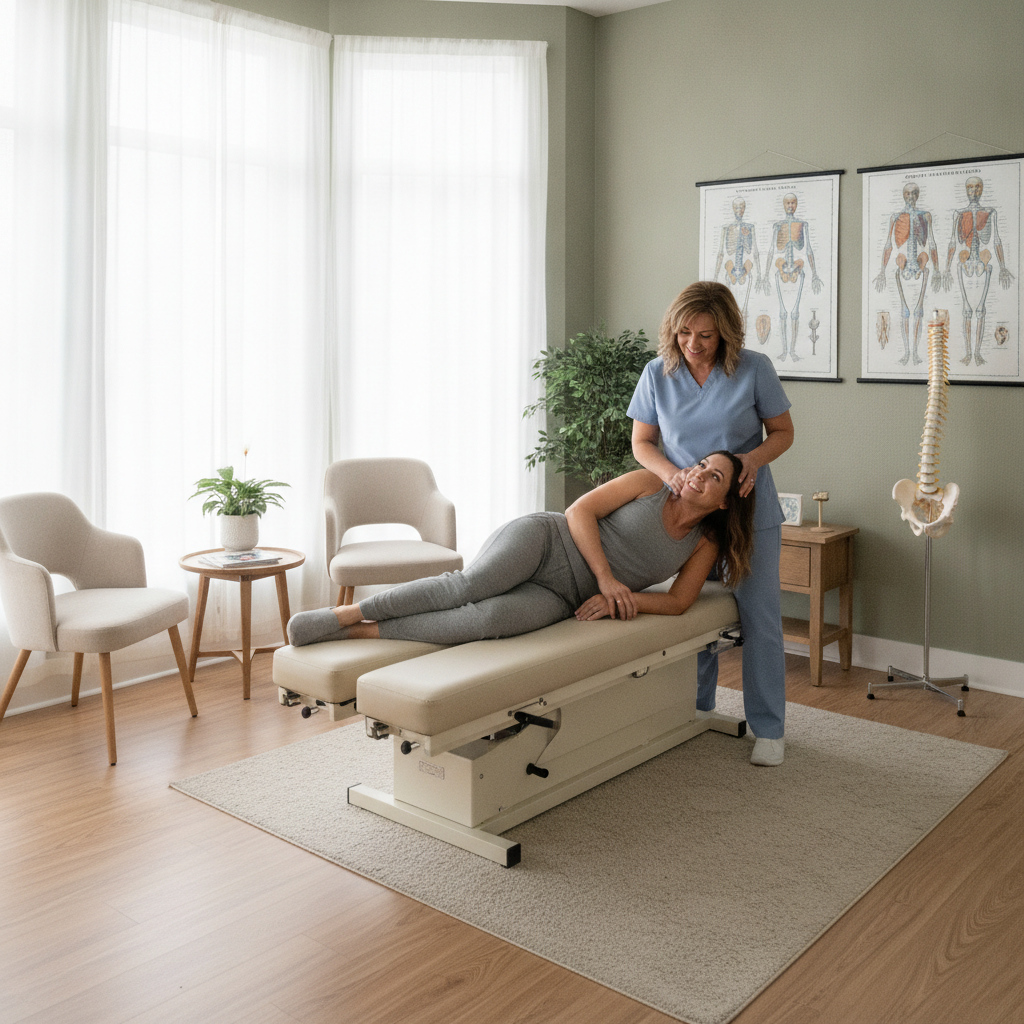
If you’re considering your first visit to a Chiropractor Grass Lake MI or simply want to understand what really happens during a spinal assessment, you’re not alone. Many people, whether they’re small business owners, developers spending hours at a desk, or residents looking for relief from daily aches, are curious about the process. The first spinal assessment is a crucial step in understanding your unique needs and setting the foundation for a personalized care plan. In this article, we’ll walk you through every stage of your initial evaluation, from the moment you step into the clinic to what you can expect after your assessment. You’ll discover how chiropractors use a blend of conversation, observation, and hands-on techniques to pinpoint the sources of discomfort and chart a path toward better spinal health. Let’s demystify the process so you can feel confident and prepared for your first appointment.
Welcoming You to the Clinic
Your first experience at a chiropractic office often starts with a warm welcome from the front desk team. Clinics in the area strive to create a comfortable, inviting atmosphere where new patients feel at ease. You’ll be greeted, asked to fill out some basic health forms, and have the opportunity to share your main concerns. This is the perfect time to mention any recent injuries, chronic issues, or specific goals you have for your visit. The staff will explain the process and answer any questions you might have about what comes next. For many, this initial interaction helps to ease any nerves and sets the tone for a collaborative approach to care. If you’re curious about what a first spinal assessment Grass Lake involves, this is where your journey truly begins.
Discussing Your Health History
After the initial welcome, your chiropractor will invite you to sit down for a detailed conversation about your health history. This isn’t just about checking boxes, it’s about understanding your story. You’ll be asked about previous injuries, surgeries, daily habits, work environment, and any recurring symptoms. For example, if you’re a developer who spends long hours at a computer, your chiropractor may ask about your workstation setup and posture. This conversation helps identify patterns or lifestyle factors that could be contributing to your discomfort. The more open and honest you are, the better your chiropractor can tailor their approach. This step lays the groundwork for a truly personalized plan, making it a cornerstone of care for anyone seeking help from a Chiropractor Grass Lake MI.
Physical Assessment and Posture Check
Next, your chiropractor will conduct a thorough physical assessment. This typically includes checking your posture, spinal alignment, and range of motion. You may be asked to stand, walk, or perform simple movements so the chiropractor can observe how your body moves and where you might be compensating for discomfort. They’ll gently palpate your spine and surrounding muscles to feel for tightness, tenderness, or asymmetry. These observations help pinpoint areas that may need attention and guide the next steps of your care. This hands-on evaluation is a vital part of the Chiropractor in Grass Lake, MI experience, ensuring that no detail is overlooked in your assessment.
Movement and Flexibility Testing
A key component of your first spinal assessment is testing your movement and flexibility. Your chiropractor may guide you through a series of gentle stretches or ask you to bend, twist, or reach in different directions. These tests are designed to reveal any limitations, pain points, or imbalances in your musculoskeletal system. For those who work from home or have sedentary jobs, these assessments can highlight areas that are stiff or underused. The results help your chiropractor develop a targeted approach to improve your mobility and comfort. If neck tension is a concern, your provider may also discuss strategies to address common issues, such as those found in Chiropractic Support for Work-From-Home Neck Tension.
Understanding Your Daily Activities
Your chiropractor will also ask about your daily routines, hobbies, and physical activities. Whether you’re an avid gardener, enjoy recreational sports, or spend weekends tackling home improvement projects, these details matter. Activities like yard work or heavy lifting can put unique strains on your spine and muscles. By understanding your lifestyle, your chiropractor can better identify the root causes of your discomfort and recommend practical solutions. For example, if you’ve recently experienced soreness after a weekend of outdoor chores, you might benefit from insights like those in Back Pain Relief After Yard Work and Physical Labor in Grass Lake, MI. This holistic approach ensures your care plan fits your real-world needs.
How Chiropractors Use Assessment Tools
Beyond hands-on evaluation, chiropractors often use specialized tools to gather more information during your initial assessment. These might include posture grids, digital range-of-motion devices, or even surface electromyography to measure muscle activity. Such tools provide objective data about your spinal health and help track progress over time. For example, a posture grid can visually demonstrate shifts or imbalances in your alignment, while digital tools can accurately measure improvements in flexibility. These assessments are non-invasive and designed to complement the chiropractor’s clinical expertise. By combining technology with observation and conversation, your provider ensures a comprehensive understanding of your needs. This approach helps create a well-rounded care plan that addresses both obvious and subtle issues affecting your comfort and mobility.
What to Expect During Orthopedic Tests
Orthopedic tests are another important part of the first spinal assessment. These tests help your chiropractor evaluate the function of your joints, nerves, and muscles. You might be asked to perform specific movements or resist gentle pressure so the provider can assess strength, flexibility, and nerve function. For example, a straight leg raise test can help determine if there’s any nerve involvement contributing to back pain. These targeted tests are safe and typically painless, providing valuable information about how your body responds to certain motions. The results help your chiropractor distinguish between muscular, joint, or nerve-related issues, ensuring your care plan is as accurate and effective as possible. Understanding these tests can help you feel more comfortable and informed during your visit.
Reviewing Your Spinal Assessment Results
Once your chiropractor has completed the various assessments, they’ll take time to review the results with you. This collaborative discussion is a chance to see how your symptoms, movement patterns, and lifestyle factors all fit together. Your provider may use diagrams, models, or digital images to explain what they’ve found and how it relates to your discomfort. This is also an opportunity to ask questions and clarify any concerns you may have. By the end of this review, you’ll have a clearer understanding of your spinal health and the factors influencing your well-being. This transparency builds trust and empowers you to take an active role in your care, whether your goals are pain relief, improved mobility, or long-term wellness.
Personalizing Your Care Plan
With your assessment results in hand, your chiropractor will work with you to develop a personalized care plan. This plan is tailored to your unique needs, goals, and lifestyle. It may include a combination of manual adjustments, targeted exercises, ergonomic advice, and self-care strategies. For instance, if your assessment reveals tightness from prolonged sitting, your care plan might focus on improving core strength and posture. If you’re active in the community or have physically demanding hobbies, your chiropractor can suggest ways to prevent future discomfort. The goal is to create a roadmap that not only addresses current symptoms but also supports your long-term spinal health. This individualized approach is what sets chiropractic care apart and helps you achieve lasting results.
Common Questions About the First Visit
It’s natural to have questions before your first spinal assessment. Many people wonder if the process will be painful, how long it will take, or what they should wear. Generally, assessments are gentle and designed to keep you comfortable at every step. Most first visits last between 45 minutes to an hour, allowing time for conversation, examination, and planning. It’s best to wear comfortable, loose-fitting clothing that allows for easy movement. If you have specific concerns, such as previous injuries or sensitivities, let your chiropractor know so they can adjust their approach. Open communication is encouraged, and no question is too small. Your comfort and understanding are top priorities throughout the entire process.
Table: Key Elements of a First Spinal Assessment
| Assessment Step | Purpose | What to Expect |
|---|---|---|
| Health History Review | Gather background and identify risk factors | Discussion about past injuries, habits, and goals |
| Physical Assessment | Evaluate posture and spinal alignment | Observation and gentle palpation |
| Movement Testing | Assess range of motion and flexibility | Guided stretches and movement checks |
| Orthopedic Tests | Identify joint, nerve, or muscle issues | Simple, non-invasive tests |
| Lifestyle Review | Understand daily activities and stressors | Questions about work, hobbies, and routines |
How to Prepare for Your Appointment
Preparing for your first spinal assessment is simple, but a little planning can help you get the most out of your visit. Start by gathering any relevant medical records, imaging reports, or lists of current medications. Wear comfortable clothing that allows for easy movement, and arrive a few minutes early to complete any necessary paperwork. Think about your main goals for the appointment, whether it’s pain relief, improved mobility, or preventive care. Jot down any questions or concerns you’d like to discuss with your chiropractor. Being proactive helps ensure a smooth, productive experience and sets the stage for a successful partnership with your provider. Remember, your first assessment is all about understanding your needs and building a foundation for better spinal health.
Final Thoughts
A first spinal assessment is more than just a routine check, it’s a personalized journey toward better health and comfort. By combining thorough conversation, hands-on evaluation, and modern assessment tools, chiropractors in this community offer a holistic approach that addresses your unique needs. Whether you’re a business owner, developer, or simply someone seeking relief from everyday aches, understanding what to expect can help you feel empowered and confident as you take the first step. Remember, your initial visit is the foundation for a care plan designed around your goals, lifestyle, and long-term well-being. With open communication and a collaborative spirit, you and your chiropractor can work together to support a healthier, more comfortable future.