
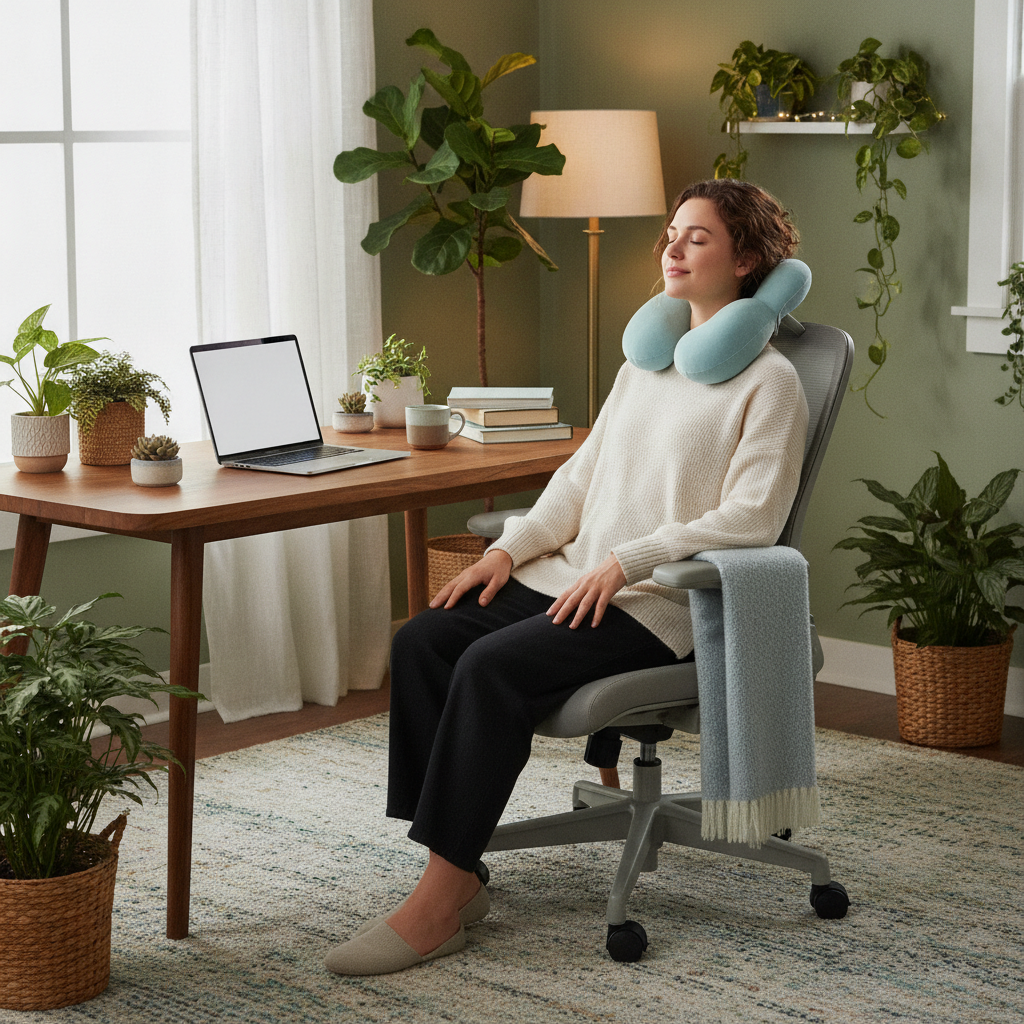
If you’re one of the many small business owners, developers, or remote professionals who spend long hours at a computer, you’ve probably experienced the nagging discomfort of neck tension. The shift to working from home has brought flexibility, but it’s also introduced new challenges for our bodies, especially our spines. For those searching for effective neck tension relief, understanding the role of a Chiropractor Grass Lake MI can be a game changer. In this article, we’ll explore why neck tension is such a common issue for remote workers, how chiropractic care can help, and practical strategies for staying comfortable and productive at your desk. Whether you’re new to chiropractic support or looking to optimize your work-from-home routine, this guide will help you take charge of your neck health and overall well-being.
Why Remote Work Triggers Neck Tension
Remote work offers convenience, but it often comes at the cost of proper posture and movement. Many home offices lack ergonomic furniture, and makeshift setups can lead to slouching, craning the neck, and static positions for hours. Over time, this can cause the muscles in your neck and upper back to tighten, leading to discomfort, headaches, and even reduced focus. Prolonged screen time, frequent device use, and a lack of regular breaks all contribute to the cycle of tension. The good news is that you don’t have to accept this discomfort as a normal part of remote work. Proactive steps, including neck tension relief strategies, can make a significant difference in your comfort and productivity.
The Science Behind Neck Strain at Your Desk
When you sit at a desk for extended periods, your head tends to drift forward, especially when focused on a screen. This forward head posture increases the load on your cervical spine and surrounding muscles. For every inch your head moves forward, the strain on your neck muscles multiplies. Over time, this can result in muscle fatigue, joint stiffness, and even nerve irritation. The body’s natural response is to tighten the muscles to provide support, which can lead to chronic discomfort. Understanding this science helps explain why so many remote workers report persistent neck and upper back tension. Consulting a Grass Lake MI chiropractor can help address these biomechanical issues and provide relief tailored to your unique posture and work habits.
How a Chiropractor Supports Remote Workers
Chiropractors are trained to assess and address musculoskeletal imbalances that develop from repetitive postures and sedentary routines. For remote workers, a Chiropractor in Grass Lake, MI can perform gentle adjustments to restore proper alignment, reduce muscle tension, and improve joint mobility. These adjustments target the root causes of neck discomfort rather than just masking symptoms. In addition, chiropractors often provide personalized advice on workstation setup, stretches, and movement breaks to help you maintain better posture throughout your workday. This holistic approach not only relieves current discomfort but also helps prevent future issues, supporting your long-term health as you continue to work from home.
Recognizing When Neck Tension Becomes a Problem
It’s easy to dismiss occasional neck tightness as a minor annoyance, but persistent or worsening symptoms can signal a deeper issue. Warning signs include pain that radiates into the shoulders or arms, frequent headaches, reduced range of motion, or tingling sensations. These symptoms may indicate nerve involvement or chronic muscle strain. If you notice that discomfort lingers even after rest or stretches, it’s time to seek professional guidance. A chiropractor can perform a thorough evaluation to identify underlying causes and recommend a targeted plan for relief. For those wondering, Can Chiropractic Care Help with Recurrent Back Pain? The answer is often yes, especially when neck tension is part of a larger pattern of musculoskeletal stress.
Simple Daily Habits to Ease Neck Discomfort
Incorporating small, consistent habits into your daily routine can go a long way in preventing and relieving neck tension. Start by adjusting your screen so it’s at eye level, and use a chair that supports your lower back. Every 30 minutes, stand up, stretch, or walk around to reset your posture. Gentle neck stretches, shoulder rolls, and deep breathing can help release built-up tension. Stay hydrated and be mindful of clenching your jaw or hunching your shoulders during stressful moments. For those whose discomfort is linked to long hours at the desk, understanding Back Pain After Long Hours of Sitting: How a Chiropractor Can Help may also provide valuable insight into maintaining comfort and mobility throughout the workday.
Ergonomic Upgrades for Your Home Office
One of the most effective ways to combat neck tension is to optimize your workspace. Start by ensuring your monitor is at eye level and about an arm’s length away. Use a chair with adjustable height and lumbar support, and keep your feet flat on the floor. Consider using a separate keyboard and mouse to avoid reaching or twisting. If possible, invest in a sit-stand desk to alternate between sitting and standing throughout the day. Even small changes, like using a document holder or positioning your phone at eye level, can make a big difference. Ergonomic upgrades not only help reduce neck and back strain but also support better focus and energy, making your work-from-home experience healthier and more productive.
The Role of Movement and Microbreaks
Staying in one position for too long is a common cause of neck and upper back discomfort. Incorporating movement and microbreaks into your workday is crucial for maintaining spinal health. Set a timer to remind yourself to stand up, stretch, or walk around every 30 to 60 minutes. Simple movements like shoulder shrugs, neck rotations, and gentle twists can help keep muscles loose and joints mobile. Even a minute or two of movement can reset your posture and reduce the risk of chronic tension. Some remote workers find it helpful to use a standing desk for part of the day or to take calls while walking. These habits not only support your neck but also boost circulation, energy, and mental clarity.
Stress Management and Its Impact on Neck Health
Stress is a major contributor to muscle tension, especially in the neck and shoulders. When deadlines loom or work gets hectic, many people unconsciously tense their upper body, leading to discomfort that can linger long after the stress has passed. Incorporating stress management techniques into your daily routine can help break this cycle. Deep breathing, mindfulness meditation, and regular exercise are proven ways to reduce overall muscle tension. Even short breaks to step outside or practice gratitude can make a difference. By managing stress, you not only support your mental well-being but also create a healthier environment for your neck and spine to thrive during long work-from-home days.
Chiropractic Techniques for Neck Tension
Chiropractors use a variety of techniques to address neck tension, including gentle spinal adjustments, soft tissue therapies, and mobilization. These methods aim to restore proper alignment, reduce inflammation, and improve blood flow to affected areas. Some chiropractors also incorporate instrument-assisted adjustments or targeted stretching to release tight muscles. In addition to hands-on care, you may receive guidance on posture correction, ergonomic improvements, and specific exercises to support your recovery. The combination of in-office treatments and at-home strategies can provide lasting relief and help prevent the recurrence of neck discomfort, even for those with demanding remote work schedules.
Comparing Chiropractic and Other Approaches to Neck Pain
When it comes to managing neck tension, there are several options available. Chiropractic care focuses on addressing the root causes of discomfort through manual adjustments and holistic strategies. In contrast, conventional approaches may involve medication, physical therapy, or massage. While each method has its benefits, chiropractic care is unique in its emphasis on spinal alignment and nervous system health. Many people find that combining chiropractic support with other modalities, such as stretching or massage, provides the best results. The table below highlights the differences between common approaches to neck pain relief, helping you make an informed decision about your care.
| Approach | Focus | Typical Benefits |
|---|---|---|
| Chiropractic Care | Spinal alignment, joint mobility | Reduces tension, improves posture, supports nervous system |
| Physical Therapy | Strengthening, flexibility, rehabilitation | Builds muscle support, restores function |
| Massage Therapy | Muscle relaxation, circulation | Eases muscle tightness, promotes relaxation |
| Medication | Pain management | Temporary symptom relief |
Choosing the Right Neck Care Provider in Grass Lake
Selecting a provider for neck tension relief is a personal decision that depends on your symptoms, preferences, and goals. In Grass Lake, residents have access to a range of experienced professionals, including chiropractors, physical therapists, and massage therapists. When considering chiropractic care, look for a practitioner who takes the time to understand your work habits, lifestyle, and health history. A good chiropractor will offer a thorough assessment, clear communication, and a tailored plan to address your unique needs. Don’t hesitate to ask questions about their approach, techniques, and experience with remote workers. The right provider will empower you to take an active role in your recovery and long-term spinal health.
Bringing It Together
Neck tension doesn’t have to be an inevitable part of working from home. By understanding the unique challenges remote work presents, you can take practical steps to protect your neck and overall well-being. Whether it’s upgrading your workspace, building in more movement, managing stress, or seeking support from a knowledgeable chiropractor, every effort counts toward a healthier, more comfortable workday. If you’re struggling with persistent neck discomfort, consider reaching out to a local chiropractic professional for guidance tailored to your needs. Remember, investing in your spinal health now can pay off in improved focus, productivity, and quality of life for years to come.