
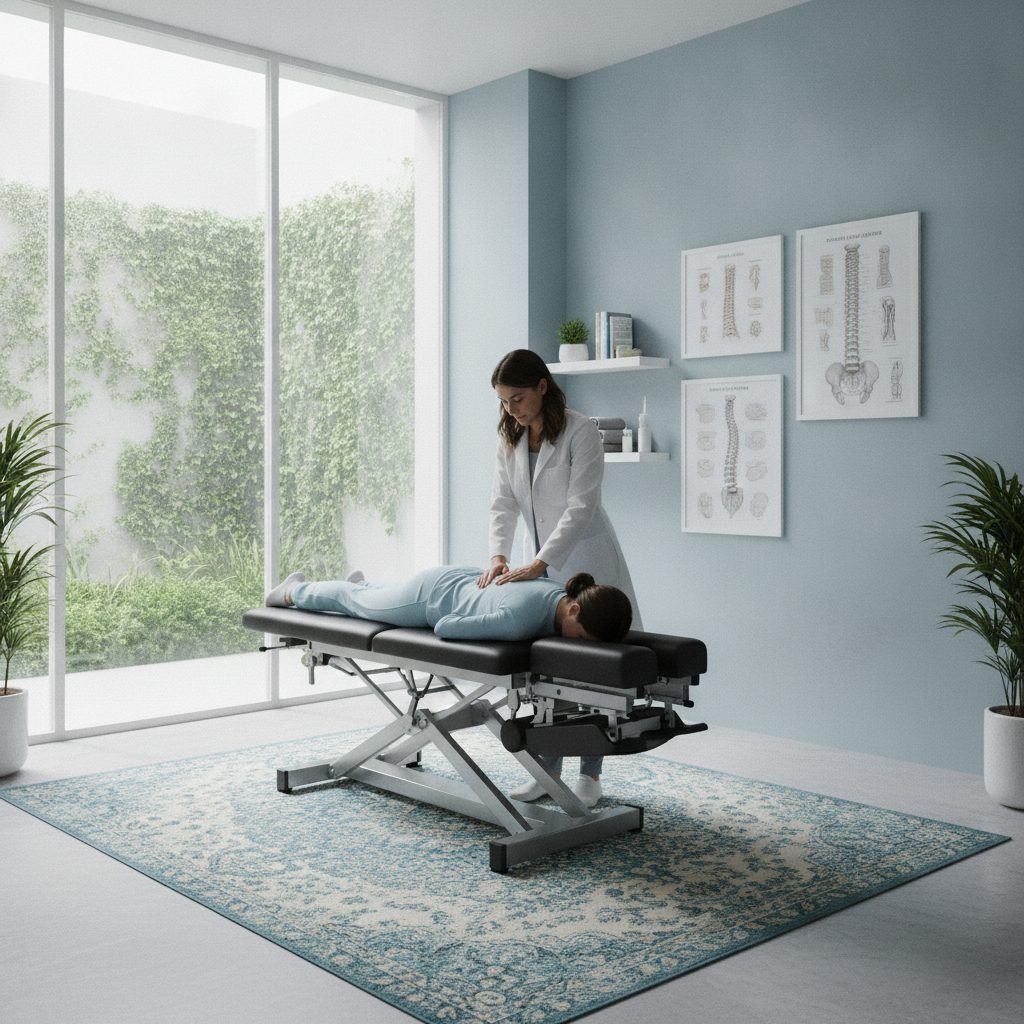
Most of us think about our backs only when they complain. A stiff morning, a nagging ache after a long day, a twinge that shows up when we lift something ordinary. But the way your spine is stacked, balanced, and moving throughout the day quietly shapes how comfortable you feel for years. Spinal alignment is not about standing like a soldier or chasing a mythical perfect posture. It is about how the bones, discs, joints, and muscles share the load of everyday life.
If you have ever searched for back pain treatment Grass Lake MI residents trust, you have probably noticed that advice ranges from “just stretch more” to complicated medical language. This guide aims to sit in the middle. We will walk through what alignment actually means, why small imbalances can add up over time, which habits help or hurt, and how conservative care fits into the picture.
Whether you run a small business and spend long hours at a counter, write code for a living, or simply want to feel better in your own skin, the ideas here are practical and easy to try. Think of this as a roadmap for understanding your spine, not a promise of a quick fix. Long-term comfort is built through consistent, sensible choices, and alignment is one of the most overlooked pieces of that puzzle.
What Spinal Alignment Really Means
Your spine is a stack of 24 movable vertebrae sitting on the sacrum, with a gentle S-shaped curve when viewed from the side. Those curves are not flaws. The inward curve of the neck and low back and the outward curve of the upper back work together like a spring, absorbing shock from walking, sitting, and lifting. Alignment simply describes how well those segments line up and share the workload.
When the curves are balanced, forces travel evenly through discs and joints. When one area becomes stiff or tilted, neighboring areas often compensate by moving more than they should. That extra motion can irritate tissues over time. Many people looking into chiropractic back pain relief in Grass Lake are surprised to learn that the sore spot is not always the source. A tight hip or a stiff mid-back can quietly push the low back into overwork.
So alignment is less a fixed position and more a dynamic relationship between structures. Good alignment means your body can move through its normal range without one region constantly taking the heat for the others.
Why Small Imbalances Add Up Over Time
Imagine a car with wheels slightly out of line. You might not notice it on the first drive, but after thousands of miles the tires wear unevenly and the steering feels off. The spine behaves in a similar way. A minor tilt in the pelvis or a habit of leaning on one leg may feel harmless today, yet repeated thousands of times each week it changes how tissues are loaded.
Over months and years, uneven loading can lead to tight muscles on one side, weakened support on the other, and joints that move less freely than they should. The body is remarkably adaptable, which is both a blessing and a trap. It adjusts quietly until it runs out of room, and then discomfort seems to appear out of nowhere.
This is why many people say their back pain started “for no reason.” Usually there was a reason, just a slow one. Recognizing that pattern is empowering, because it means gradual, consistent improvements can also work gradually in your favor. You do not need a dramatic overhaul. You need steady attention to the small things you repeat most often.
Everyday Habits That Quietly Shift Your Posture
Daily habits shape alignment more than any single workout or appointment. Carrying a bag on the same shoulder, crossing the same leg, sitting on a wallet, or cradling a phone between ear and shoulder all nudge the body in one direction. None of these are catastrophic on their own. The issue is repetition without variety.
Here are common culprits worth noticing:
- Always standing with weight shifted onto one hip
- Hunching forward over a laptop or phone for long stretches
- Sleeping in the same twisted position every night
- Carrying heavy loads on one side of the body
- Sitting without ever changing position for hours
The fix is rarely about forcing a rigid posture. Instead, aim for variety. Alternate the shoulder you carry with, change how you sit, and give your body reasons to move. The best posture is the next one you shift into, because movement keeps tissues nourished and joints lubricated.
How Alignment Connects to Muscles and Discs
Your spine does not hold itself up. Dozens of muscles act like adjustable guy wires, constantly making tiny corrections. When alignment shifts, certain muscles work overtime while others switch off. The overworked ones tighten and may develop sore, knotted areas, while the underused ones weaken and lose their ability to stabilize.
Discs, the cushions between vertebrae, respond to pressure patterns too. They rely on movement and varied loading to stay healthy because they receive nutrients largely through motion rather than direct blood supply. Staying in one posture for too long can reduce that exchange, which is one reason prolonged sitting often leaves people feeling stiff.
If tight muscle bands are part of your story, How Trigger Point Therapy May Ease Tight Back Muscles explains one approach that targets those stubborn spots. The key idea is that muscles, joints, and discs are teammates. Supporting one without considering the others often gives only temporary relief.
Spotting the Early Signs of Misalignment
Your body usually whispers before it shouts. Learning to notice the early signals gives you a chance to respond while changes are still small. Look for patterns rather than isolated moments, such as discomfort that returns at the same time each day or stiffness that always favors one side.
Some signs people often overlook include uneven wear on the soles of shoes, one shoulder sitting higher than the other in photos, difficulty turning your head equally in both directions, or a sense that your clothes hang unevenly. Recurring tightness between the shoulder blades or a low back that feels “locked” after sitting can also hint that something is off.
None of these on their own prove a problem, and many people have natural asymmetries that never cause trouble. The goal is not to hunt for flaws but to stay curious. If you are unsure, a professional evaluation can help sort normal variation from patterns worth addressing. For those who want a local starting point, this Chiropractor in Grass Lake, MI offers an overview of what an initial visit can look like.
Back Pain Treatment Grass Lake MI Residents Can Consider
When discomfort lingers, many people prefer to start with conservative, hands-on options before exploring anything more invasive. Locally, that often includes chiropractic adjustments, soft tissue work, guided movement, and practical lifestyle coaching. The common thread is addressing how the body moves and loads itself, not only where it hurts.
A thoughtful evaluation usually starts with your history, your daily routines, and a look at how you stand, bend, and turn. From there, a care plan can be tailored to your situation. Some people respond well to a short series of visits, while others benefit from ongoing support during busy or physically demanding seasons.
If you want a closer look at the available approaches and what to expect, you can learn more here. Remember that every spine is different, and results vary. The best care respects your goals, your comfort level, and your timeline rather than pushing a one-size-fits-all routine.
Movement and Strength That Support a Balanced Spine
Alignment is maintained, not achieved once and forgotten. Strength and mobility work are the maintenance plan. Because the spine relies on surrounding muscles for stability, building balanced strength in the hips, glutes, trunk, and upper back helps keep everything stacked more efficiently.
Active people often discover that recovery habits matter as much as training itself. For ideas on pairing movement with smart recovery, Sports Performance and Recovery Tips from a Chiropractor is a helpful companion read. Even if you are not an athlete, the principles of warming up, varying movement, and allowing time to recover apply to anyone who sits, lifts, or works on their feet.
Start small. A few minutes of hip mobility, gentle trunk rotations, and a couple of strengthening moves most days of the week often beats an occasional intense session. Consistency builds the quiet support your spine leans on during ordinary life.
Setting Up Your Workspace to Protect Your Back
If you run a small business or work as a developer, your desk may be where your spine spends the most time. The goal of a good setup is to reduce strain while still encouraging movement. Place your screen near eye level so your neck is not constantly bent, keep your feet supported, and let your elbows rest comfortably close to your body.
Chairs with adjustable lumbar support can help, but no chair fixes long, uninterrupted sitting. Build in short breaks every half hour or so to stand, walk, or stretch. Many people find a sit-stand option useful, not because standing is magic, but because switching positions spreads the load.
Small tweaks add up. Keep frequently used items within easy reach so you are not twisting repeatedly, and consider a headset if you spend time on calls. These changes are inexpensive, simple, and quietly support alignment all day long, which is exactly the point of long-term comfort.
Sleep, Stress, and Their Hidden Influence on Alignment
It may seem odd to connect stress with spinal alignment, but the link is real in everyday experience. When we are tense, we tend to raise our shoulders, clench our jaw, and hold our breath shallowly. Those habits tighten the neck and upper back and can pull posture out of balance without us noticing.
Sleep matters too. Your spine recovers while you rest, and a supportive sleep position helps. Side sleepers often do well with a pillow between the knees, while back sleepers may prefer a small support under the knees. A pillow that keeps the neck in a neutral line, neither tilted up nor sagging down, makes a noticeable difference for many people.
Building a short wind-down routine, such as slow breathing or gentle stretching before bed, can ease tension and improve how you wake up. Better rest and lower stress will not replace other care, but they create conditions where the rest of your efforts work better.
A Simple Weekly Routine for Long-Term Comfort
Knowing what to do is easier when it fits on one page. The table below outlines a gentle weekly framework you can adapt. It is a general guide, not medical advice, so adjust it to your comfort level and check with a professional if you have specific concerns.
| Focus Area | What to Do | How Often |
|---|---|---|
| Mobility | Hip and mid-back gentle stretching | Most days |
| Strength | Glute, trunk, and upper back exercises | 2 to 3 times per week |
| Movement Breaks | Stand, walk, or reset posture | Every 30 to 45 minutes |
| Recovery | Sleep support and relaxation | Nightly |
| Check-In | Notice recurring stiffness or asymmetry | Weekly |
Treat this as a starting template. If a movement causes sharp pain, stop and seek guidance. The idea is steady, comfortable progress, not pushing through discomfort. Over time, small repeated actions tend to outperform occasional heroic efforts.
When to Seek Professional Guidance
Self-care goes a long way, but some situations deserve a professional opinion. If discomfort persists beyond a couple of weeks, keeps returning, or interferes with sleep and work, it is reasonable to have it evaluated. The same goes for symptoms that spread into the arms or legs, or numbness and tingling that do not settle.
Certain signs call for urgent medical attention rather than conservative care, including pain following significant trauma, unexplained weight loss with back pain, fever, or changes in bladder or bowel control. When in doubt, err on the side of getting checked, because it is always better to rule out serious causes first.
For everything in between, a good practitioner will listen, examine how you move, explain what they find in plain language, and set realistic expectations. You should feel like a partner in the process, not a passenger. Ask questions, share your goals, and expect a plan that makes sense for your life.
Final Thoughts
Spinal alignment is not a fixed target you hit once and keep forever. It is an ongoing relationship between your habits, your muscles, your joints, and the demands of your daily life. When that relationship is balanced, your back tends to feel more comfortable, resilient, and ready for whatever the week brings.
The encouraging part is that you have a lot of influence. Varying your posture, strengthening supportive muscles, setting up your workspace thoughtfully, protecting your sleep, and noticing early warning signs all contribute. None of these steps is dramatic, but together they build the kind of quiet foundation that long-term comfort depends on.
If discomfort lingers or keeps coming back, you do not have to figure it out alone. Conservative, hands-on care can help identify patterns you might miss and guide you toward habits that fit your lifestyle. Results differ from person to person, so the best approach is one built around your goals and your body.
Start with one or two small changes this week. Stand up more often, adjust your screen, or try a gentle mobility routine. Pay attention to how you feel, and build from there. Your spine carries you through every day, and treating it with steady, thoughtful care is one of the most practical investments you can make in how you feel for years to come.