
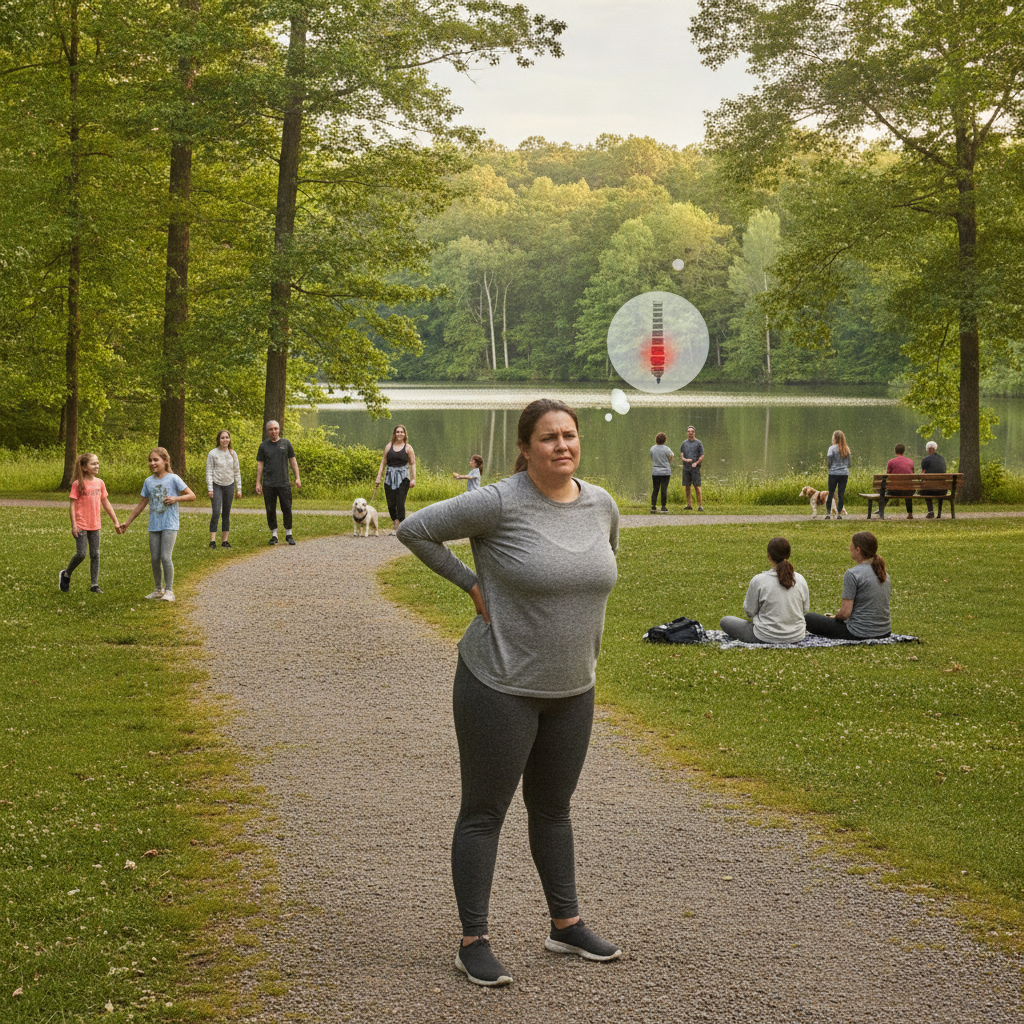
Obesity and Back Pain are two health concerns that often go hand in hand, affecting millions of people across the country. For residents and business owners in this community, understanding how excess weight can contribute to chronic discomfort is crucial for making informed choices about health and wellness. Whether you spend your days managing a small business, working at a desk, or staying active outdoors, back pain can disrupt your routine and lower your quality of life. By exploring the connection between these two conditions, you can take meaningful steps to reduce pain, improve mobility, and boost overall well-being. In this article, we will break down the science behind obesity and back pain, discuss risk factors, and provide practical advice tailored for our local community. If you or someone you know struggles with persistent back discomfort, read on to discover actionable strategies and resources that can help you move toward a healthier, pain-free future.
Obesity and Back Pain in Grass Lake
The prevalence of obesity and back pain in the area has become a growing concern for residents and healthcare providers alike. Obesity and Back Pain are closely linked, with studies showing that carrying excess weight increases the risk of developing chronic back issues. The added stress placed on the spine and supporting muscles can lead to degenerative changes, nerve compression, and persistent discomfort. For local business owners and professionals, this can mean missed workdays, reduced productivity, and a diminished quality of life. Understanding The link between Obesity and Back Pain is the first step toward prevention and effective management. By recognizing the signs early and seeking appropriate care, residents can take control of their health and reduce the impact of these conditions on daily life. Addressing obesity through lifestyle changes not only helps manage back pain but also supports overall well-being in our community. For related information, see The link between Obesity and Back Pain.
Obesity and Back Pain in Grass Lake, MI
In Grass Lake, MI, the relationship between obesity and back pain is particularly relevant due to the lifestyle and work habits of many residents. Obesity and Back Pain often develop together, as excess body weight places additional pressure on the spine, discs, and joints. This can accelerate wear and tear, leading to conditions like herniated discs, sciatica, and spinal stenosis. Small business owners and developers in the region may find themselves sitting for extended periods or engaging in repetitive physical tasks, both of which can exacerbate these issues. Fortunately, there are resources available locally to support those dealing with these challenges. If you want to learn more about how professionals in the area can help manage obesity and back pain, consider reaching out to local experts. Taking proactive steps can make a significant difference in reducing pain and improving mobility for residents of this city. For additional service details and local availability, readers can learn more.
Obesity and Back Pain in Grass Lake Michigan
For those living in Grass Lake Michigan, the impact of obesity and back pain can be profound, affecting daily activities and long-term health. Obesity and Back Pain are interconnected, with excess weight contributing to poor posture, muscle fatigue, and increased strain on the lower back. This is especially true for individuals who balance demanding jobs with family responsibilities, leaving little time for self-care. The local healthcare community emphasizes the importance of early intervention, including weight management, physical therapy, and ergonomic adjustments at work and home. If you are seeking personalized support, the Grass Lake Chiropractic Center offers specialized care for residents struggling with these issues. By addressing both obesity and back pain together, individuals can achieve better outcomes and enjoy a higher quality of life in the region.
How Obesity Affects the Spine
Obesity and Back Pain are closely tied due to the mechanical and metabolic effects excess weight has on the spine. When the body carries more weight than it is designed to support, the spinal discs and vertebrae experience increased compression. This added pressure can accelerate degenerative changes, leading to conditions such as osteoarthritis, disc herniation, and facet joint syndrome. Additionally, obesity can alter the natural curvature of the spine, causing poor posture and muscle imbalances. These changes not only increase the risk of chronic back pain but can also contribute to nerve impingement and reduced mobility. By understanding the direct impact of obesity on spinal health, individuals can take proactive steps to manage their weight and protect their back. Incorporating regular physical activity, maintaining a balanced diet, and seeking professional guidance are essential strategies for reducing the risk of back pain associated with obesity.
Common Back Pain Conditions Linked to Obesity
Several specific back pain conditions are more prevalent among individuals with obesity. Obesity and Back Pain are often associated with lumbar disc degeneration, sciatica, and spinal stenosis. The extra weight increases the load on the lower back, making it more susceptible to injury and chronic inflammation. Herniated discs are another common issue, as the discs between vertebrae can bulge or rupture under excessive pressure. Additionally, obesity can contribute to spondylolisthesis, a condition where one vertebra slips over another, causing pain and nerve problems. These conditions can significantly limit mobility and daily function, especially for those with physically demanding jobs or sedentary lifestyles. Early intervention, including weight management and targeted exercises, can help reduce the severity and frequency of these conditions. Consulting with healthcare professionals for personalized treatment plans is highly recommended for those experiencing persistent back pain related to obesity.
Risk Factors for Obesity and Back Pain
Understanding the risk factors for obesity and back pain can help individuals make informed decisions about their health. Obesity and Back Pain share several contributing factors, including sedentary lifestyles, poor dietary habits, and genetic predisposition. Occupations that require prolonged sitting or repetitive lifting increase the likelihood of developing both conditions. Stress, lack of sleep, and certain medical conditions, such as diabetes and hypothyroidism, can also play a role. Age is another important factor, as metabolism slows and muscle mass decreases over time, making weight management and spinal health more challenging. Recognizing these risks allows individuals to take preventive measures, such as incorporating regular physical activity, maintaining a healthy diet, and seeking early medical intervention. By addressing these factors proactively, residents can reduce their chances of developing obesity and back pain and enjoy a healthier, more active lifestyle.
Table: Comparing Obesity and Back Pain Risks
| Risk Factor | Obesity | Back Pain |
|---|---|---|
| Sedentary Lifestyle | High | High |
| Poor Diet | High | Moderate |
| Genetics | Moderate | Moderate |
| Repetitive Lifting | Low | High |
| Age | Moderate | High |
This table highlights the overlapping and unique risk factors associated with obesity and back pain. By identifying these risks, individuals can focus on targeted prevention strategies to minimize their chances of developing either condition. Lifestyle modifications, such as increasing physical activity and improving diet, are effective ways to address multiple risk factors simultaneously.
Lifestyle Changes for Managing Obesity and Back Pain
Implementing lifestyle changes is one of the most effective ways to manage obesity and back pain. Obesity and Back Pain can both be improved through regular physical activity, healthy eating, and stress reduction. Incorporating low-impact exercises, such as walking, swimming, or cycling, helps strengthen the muscles that support the spine while promoting weight loss. Adopting a balanced diet rich in whole grains, lean proteins, fruits, and vegetables provides essential nutrients for tissue repair and inflammation control. Mindfulness practices, such as yoga or meditation, can also help manage stress, which is known to exacerbate both obesity and back pain. Setting realistic goals and tracking progress increases motivation and accountability. For those with busy schedules, small changes, like taking short walks during breaks or preparing healthy meals in advance, can make a big difference. By committing to these changes, individuals can reduce pain, improve mobility, and enhance their overall quality of life.
The Role of Physical Activity and Exercise
Physical activity plays a critical role in preventing and managing obesity and back pain. Obesity and Back Pain often worsen with inactivity, as weakened muscles and poor flexibility increase the risk of injury and chronic discomfort. Engaging in regular exercise strengthens the core, improves posture, and supports healthy weight management. Low-impact activities, such as walking, swimming, and yoga, are particularly beneficial for those with existing back pain, as they minimize stress on the spine while promoting mobility. Resistance training can also help build muscle mass, which supports the back and increases metabolism. It is important to start slowly and gradually increase intensity to avoid overexertion. Consulting with a healthcare provider or physical therapist can ensure that exercise routines are safe and tailored to individual needs. By making physical activity a regular part of daily life, individuals can significantly reduce the risk and severity of obesity and back pain.
Nutrition Tips for Reducing Obesity and Back Pain
Proper nutrition is essential for managing obesity and back pain. Obesity and Back Pain are influenced by dietary choices, as consuming excess calories and processed foods can lead to weight gain and inflammation. Focusing on whole, nutrient-dense foods supports weight loss and provides the building blocks needed for tissue repair and pain reduction. Key strategies include eating plenty of fruits and vegetables, choosing lean proteins, and limiting sugary beverages and snacks. Staying hydrated is also important, as dehydration can worsen muscle cramps and joint pain. Meal planning and mindful eating help prevent overeating and ensure balanced nutrition throughout the day. For those with busy lifestyles, preparing healthy meals in advance and keeping nutritious snacks on hand can make it easier to stick to dietary goals. By prioritizing good nutrition, individuals can reduce their risk of obesity and back pain while supporting overall health and vitality.
When to Seek Professional Help
While lifestyle changes can significantly improve obesity and back pain, there are times when professional help is necessary. Persistent or severe pain, numbness, weakness, or loss of bladder control may indicate a more serious underlying condition that requires medical attention. Healthcare providers, such as primary care physicians, chiropractors, and physical therapists, can offer comprehensive evaluations and personalized treatment plans. In some cases, diagnostic imaging or specialized interventions may be needed to address structural issues in the spine. Early intervention is key to preventing long-term complications and improving outcomes. Residents are encouraged to seek support from trusted local providers who understand the unique needs of the community. By working with professionals, individuals can access the latest treatments and resources to manage obesity and back pain effectively, leading to better health and improved quality of life.
Key Takeaways
Obesity and Back Pain are deeply interconnected health challenges that affect many people in our region. By understanding how excess weight contributes to spinal stress and chronic discomfort, residents and business owners can take proactive steps to protect their health. Implementing lifestyle changes, such as regular physical activity and balanced nutrition, is essential for managing both conditions. Local resources, including chiropractic care and wellness programs, offer valuable support for those seeking relief. Remember, early intervention and ongoing commitment to healthy habits can make a significant difference in reducing pain and improving quality of life. If you or someone you know is struggling, do not hesitate to reach out for professional guidance. Taking action today can lead to a healthier, more active, and pain-free future for everyone in the neighborhood.