
Back pain is a challenge that affects people from all walks of life, whether you’re a small business owner juggling daily tasks, a developer spending long hours at a desk, or simply someone who enjoys staying active in your community. For many, finding effective back pain treatment in Grass Lake MI can feel overwhelming, especially when traditional methods like medication or surgery seem daunting or out of reach. That’s where spinal decompression comes into play. This innovative, non-surgical approach is quickly becoming a preferred option for those seeking lasting relief and a return to their normal routines. In this article, we’ll explore how spinal decompression works, its benefits, and why it might be the solution you’ve been searching for. Whether you’re new to the idea or considering your next steps in managing back pain, understanding this therapy could be your key to a healthier, more comfortable life.
Understanding Spinal Decompression Therapy
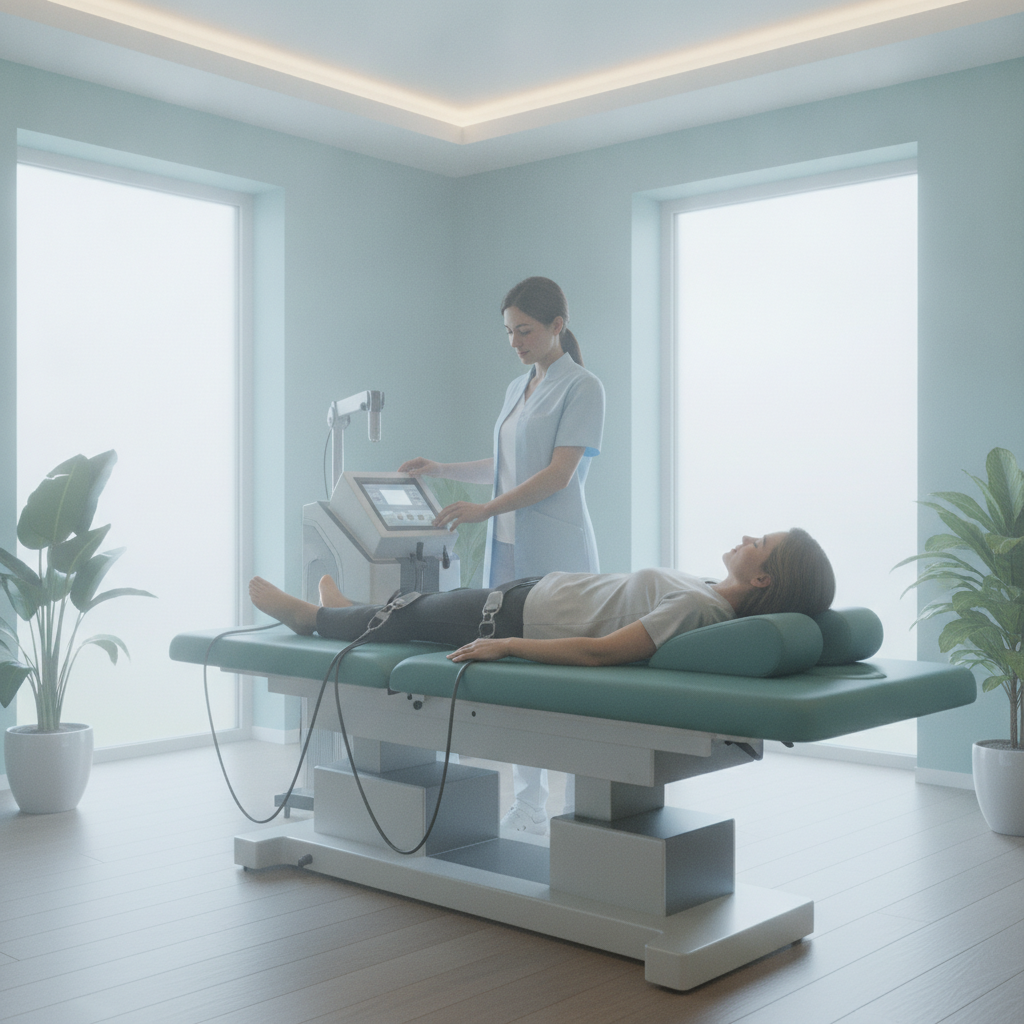
Spinal decompression therapy is a non-invasive treatment designed to relieve pressure on the spinal discs and nerves. Unlike surgical options, this therapy uses gentle, controlled traction to stretch the spine, creating negative pressure within the discs. This process can help retract herniated or bulging discs, allowing nutrients and oxygen to flow back into the affected areas and promote healing. The treatment is typically performed on a specialized table, where patients are securely positioned and the traction is precisely controlled to target specific regions of the spine.
For those exploring Grass Lake Chiropractic services, spinal decompression offers an alternative to more aggressive interventions. It is especially beneficial for individuals experiencing chronic lower back pain, sciatica, degenerative disc disease, or spinal stenosis. The therapy is tailored to each patient’s needs, ensuring a comfortable experience while addressing the root cause of discomfort.
Sessions typically last between 20 and 45 minutes, with most patients requiring a series of treatments for optimal results. Many people report feeling relief after just a few sessions, though lasting improvements are often seen over several weeks. The non-invasive nature of spinal decompression means there is little to no downtime, allowing patients to return to their daily activities with minimal interruption.
By addressing the underlying mechanical issues in the spine, decompression therapy can provide a pathway to long-term relief and improved mobility. It is a safe and effective option for those seeking back pain treatment in the area without the risks associated with surgery or prolonged medication use.
How Spinal Decompression Supports Healing
The science behind spinal decompression lies in its ability to create space within the spinal column, reducing pressure on compressed nerves and discs. When the spine is gently stretched, the negative pressure formed inside the discs acts like a vacuum, drawing bulging or herniated material back into place. This not only alleviates pain but also encourages the movement of fluids, nutrients, and oxygen into the discs, which are essential for healing and regeneration.
This process is particularly important for individuals with disc-related issues. Over time, the spinal discs can lose hydration and elasticity, making them more susceptible to injury. Spinal decompression helps counteract these effects by promoting rehydration and nutrient exchange. As a result, the discs become healthier, cushioning the vertebrae more effectively and reducing the likelihood of future problems.
Another key benefit of decompression therapy is its ability to relieve nerve impingement. When discs bulge or herniate, they can press on nearby nerves, causing pain, tingling, or numbness that radiates into the legs or arms. By gently repositioning the discs, decompression reduces this pressure, often leading to significant symptom relief. This is why decompression is a popular component of Non-Surgical Back Pain Treatment Options in Grass Lake, MI.
Ultimately, spinal decompression supports the body’s natural healing processes, offering a holistic approach to back pain management. It empowers patients to take an active role in their recovery, focusing on restoring function and quality of life rather than merely masking symptoms.
Who Can Benefit Most from Spinal Decompression?
Spinal decompression therapy is suitable for a wide range of individuals, but it is particularly effective for those suffering from chronic or recurring back pain that hasn’t responded to other treatments. People with herniated or bulging discs, degenerative disc disease, sciatica, or facet syndrome often find significant relief through this approach. It’s also an excellent option for those who want to avoid surgery or reduce their reliance on pain medications.
Small business owners and professionals who spend long hours sitting or standing may experience back pain due to poor posture or repetitive strain. Spinal decompression can help address these underlying issues by restoring alignment and relieving pressure on the spine. Active individuals, including athletes and fitness enthusiasts, may also benefit from decompression, especially if their activities place extra stress on the back.
It’s important to note that while spinal decompression is safe for most people, it may not be appropriate for everyone. Individuals with severe osteoporosis, spinal fractures, tumors, or certain medical conditions should consult with a healthcare provider before starting therapy. For a broader perspective on who might benefit, see 7 Reasons to Visit a Chiropractor in Grass Lake, MI.
If you’re unsure whether spinal decompression is right for you, a thorough evaluation by a qualified provider can help determine the best course of action. Personalized treatment plans ensure that each patient receives the care that aligns with their unique needs and goals.
Comparing Spinal Decompression to Other Back Pain Treatments
When considering options for back pain relief, it’s helpful to understand how spinal decompression compares to other common treatments. Below is a table summarizing the key differences between spinal decompression, traditional chiropractic adjustments, physical therapy, and surgery.
| Treatment | Approach | Invasiveness | Recovery Time | Best For |
|---|---|---|---|---|
| Spinal Decompression | Gentle traction to relieve disc and nerve pressure | Non-invasive | Minimal to none | Chronic disc issues, sciatica, non-surgical candidates |
| Chiropractic Adjustments | Manual manipulation of joints and spine | Non-invasive | Minimal | Joint misalignment, acute pain, mobility issues |
| Physical Therapy | Exercise and modalities to strengthen and rehabilitate | Non-invasive | Varies (weeks to months) | Muscle imbalances, post-surgery rehab, injury prevention |
| Surgery | Removal or repair of damaged tissue/discs | Invasive | Weeks to months | Severe cases, structural abnormalities, failed conservative care |
As the table illustrates, spinal decompression stands out for its non-invasive nature and minimal recovery time. It is particularly well-suited for those who want to avoid surgical risks and downtime, making it a valuable addition to the range of back pain treatment options available locally.
The Step-by-Step Experience of Spinal Decompression
If you’re considering spinal decompression, you might wonder what to expect during a typical session. The process is designed to be comfortable and stress-free. Here’s a step-by-step overview:
- Initial Assessment: Your provider will conduct a thorough evaluation, including a review of your medical history, symptoms, and any imaging studies.
- Customized Plan: Based on your needs, a personalized treatment plan is created, outlining the number and frequency of sessions.
- Therapy Session: You’ll be comfortably positioned on a decompression table, and a harness is applied to secure your body.
- Controlled Traction: The machine gently stretches your spine, applying precise traction to targeted areas. Most patients feel a gentle pulling sensation but no pain.
- Relaxation: Each session lasts about 20–45 minutes, during which you can relax, listen to music, or even nap.
- Post-Treatment Guidance: After the session, your provider may recommend stretches, exercises, or lifestyle tips to support your recovery.
The number of sessions needed varies depending on the severity of your condition, but many patients notice improvements within the first few weeks. The gentle approach of spinal decompression makes it accessible for most people, even those who may be sensitive to manual adjustments.
Common Conditions Helped by Decompression Therapy
Spinal decompression is effective for a variety of back-related conditions. Some of the most common issues addressed by this therapy include:
- Herniated or bulging discs
- Degenerative disc disease
- Sciatica (pain radiating down the leg)
- Spinal stenosis (narrowing of the spinal canal)
- Facet syndrome (joint pain in the spine)
- Chronic lower back pain
These conditions often result from years of wear and tear, poor posture, or acute injuries. By relieving pressure on the discs and nerves, decompression therapy can help reduce pain, improve function, and support the body’s natural healing abilities. It is a versatile treatment that can be integrated into a comprehensive care plan, often alongside other therapies such as exercise, massage, or ergonomic adjustments.
What to Expect After Your First Session
Many patients are pleasantly surprised by how gentle and relaxing spinal decompression therapy feels. After the first session, it’s common to experience a sense of relief or lightness in the back. Some people notice immediate improvement in their symptoms, while others may require several sessions before significant changes occur.
Mild soreness or stiffness can occur as your body adjusts to the new alignment, but this typically resolves quickly. Your provider will often recommend light stretching, hydration, and rest to support your recovery. Most importantly, you should feel empowered to ask questions and share feedback about your experience, as open communication helps tailor the treatment to your needs.
As you progress through your treatment plan, you’ll likely notice improvements in mobility, reduced pain, and a greater ability to engage in daily activities. The ultimate goal is to restore function and quality of life, making spinal decompression a valuable tool in the journey toward lasting back pain relief.
Safety and Side Effects: What You Need to Know
Safety is a top priority with spinal decompression therapy. The treatment is non-invasive and generally well-tolerated, with few reported side effects. Most patients experience only mild discomfort, if any, during or after sessions. The gentle traction is carefully controlled and monitored to ensure it stays within safe limits for your body type and condition.
Potential side effects are rare but may include temporary soreness, muscle spasms, or mild bruising. These symptoms usually resolve on their own within a day or two. It’s important to communicate any unusual sensations to your provider, as adjustments can be made to enhance your comfort and safety.
Spinal decompression is not recommended for everyone. People with certain medical conditions, such as severe osteoporosis, spinal fractures, tumors, or advanced spinal instability, should avoid this therapy. A thorough assessment and consultation will help determine if decompression is appropriate for your specific situation.
Overall, spinal decompression is considered a safe and effective option for many individuals seeking non-surgical back pain relief. When performed by a qualified professional, it offers a gentle path to healing and improved well-being.
Integrating Spinal Decompression into a Holistic Wellness Plan
While spinal decompression can provide significant relief on its own, it is most effective when integrated into a comprehensive wellness plan. This approach addresses not only the immediate symptoms but also the underlying factors that contribute to back pain. Combining decompression with other therapies, such as physical rehabilitation, massage, ergonomic changes, and lifestyle modifications, can enhance results and prevent future issues.
For example, learning proper lifting techniques, improving posture, and incorporating regular stretching can help maintain spinal health. Nutritional support and stress management also play important roles in overall well-being. By taking a holistic approach, patients can achieve better outcomes and enjoy a higher quality of life.
Working with a provider who understands your unique needs ensures that your treatment plan is tailored to your goals. Regular check-ins and adjustments to your plan help keep you on track and maximize the benefits of spinal decompression therapy.
How to Choose the Right Provider for Spinal Decompression
Selecting a qualified provider is crucial for a safe and effective spinal decompression experience. Look for professionals with specialized training in decompression therapy and a track record of helping patients with similar conditions. It’s also important to choose a clinic that prioritizes patient education, clear communication, and individualized care.
During your initial consultation, ask about the provider’s experience, the technology they use, and their approach to treatment planning. A reputable provider will take the time to answer your questions, explain the process, and ensure you feel comfortable with your care plan. Reading reviews and seeking recommendations from friends or colleagues in the community can also help you make an informed decision.
Ultimately, the right provider will partner with you on your journey to recovery, offering guidance and support every step of the way. Don’t hesitate to explore your options and find a clinic that aligns with your values and goals for back pain relief.
Final Thoughts
Spinal decompression therapy represents a promising, non-surgical avenue for those seeking back pain treatment in Grass Lake MI and surrounding areas. By gently relieving pressure on the spine, this approach supports the body’s natural healing abilities and offers a path to lasting relief. Whether you’re a busy professional, an active community member, or simply looking for a solution that fits your lifestyle, spinal decompression could be the key to regaining comfort and mobility. Remember, the best outcomes come from a holistic approach and a trusted provider who understands your unique needs. If you’re ready to take the next step toward a pain-free life, consider exploring spinal decompression as part of your wellness journey.