
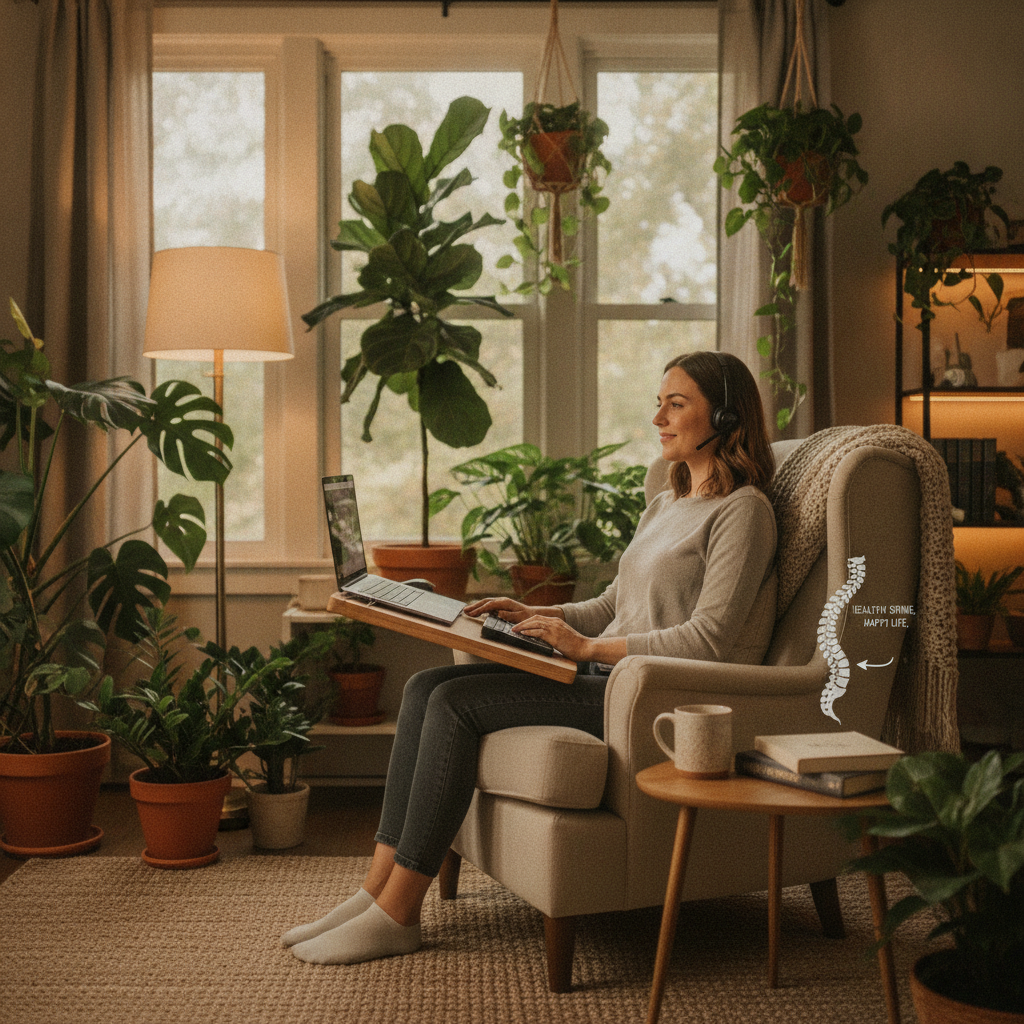
Back pain is one of the most common complaints among adults, and it can affect anyone from small business owners to developers and active community members. While many factors contribute to back pain, posture correction is a key element in both prevention and relief. Understanding the role of posture in back pain can empower residents to take actionable steps toward a healthier, pain-free lifestyle. In this article, we’ll explore why posture matters, how it impacts your spine, and what practical strategies you can use to improve your daily habits. Whether you spend long hours at a desk, run a local business, or simply want to enjoy life without discomfort, these insights will help you make positive changes. Let’s dive into the science of posture correction, debunk common myths, and discover tips tailored for this community.
Posture Correction for Back Pain in Grass Lake
Posture correction is a cornerstone of back pain management for many people in the area. When your body is aligned properly, your spine, muscles, and joints work efficiently, reducing unnecessary strain. Poor posture, such as slouching or leaning forward at a desk, can lead to chronic discomfort and even long-term spinal issues. For residents who spend hours working on computers or standing behind counters, adopting posture correction techniques can make a significant difference. Simple changes like adjusting your chair height, keeping your feet flat on the floor, and ensuring your monitor is at eye level can help. For more detailed guidance, check out these Grass Lake posture correction tips designed for the local community. By making small adjustments, you can support your back and reduce the risk of developing persistent pain. For related information, see Grass Lake posture correction tips.
Posture Correction Strategies for Back Pain in Grass Lake, MI
When it comes to posture correction, residents of Grass Lake, MI have unique needs due to varying work environments and lifestyles. Whether you’re managing a business or coding from home, maintaining proper alignment is crucial. Ergonomic workstations, supportive footwear, and regular movement breaks all play a role in posture correction. For those experiencing discomfort, it’s important to listen to your body and make gradual adjustments. Consulting with local professionals can provide tailored back pain advice and ensure you’re using the right techniques. Remember, posture correction isn’t about perfection but about making consistent, mindful improvements. Over time, these changes can reduce tension in your back and shoulders, improve circulation, and enhance your overall well-being. For related information, see back pain advice.
Posture Correction Tips for Back Pain in Grass Lake, Michigan
Residents of Grass Lake, Michigan know that back pain can disrupt daily life, from work to recreation. Effective posture correction starts with awareness of your body’s alignment throughout the day. Take note of how you sit, stand, and move, and look for opportunities to realign your spine. Core strengthening exercises, such as planks and bridges, can support better posture correction and reduce back pain. Stretching regularly helps maintain flexibility and prevents stiffness. For those seeking more structured guidance, local resources like Posture correction Grass Lake offer personalized tips and support. Making posture correction a daily habit can help you stay active and comfortable, no matter your routine. For related information, see Posture correction Grass Lake.
How Poor Posture Causes Back Pain
Poor posture is a leading contributor to back pain, particularly for those who spend extended periods sitting or standing. When the spine is not properly aligned, it places extra stress on the muscles, ligaments, and discs. Over time, this can result in muscle fatigue, joint stiffness, and even nerve compression. Posture correction is essential to counteract these effects. By maintaining a neutral spine, you distribute weight evenly and minimize wear on your back. Common signs of poor posture include rounded shoulders, a forward head position, and an arched lower back. Recognizing these patterns is the first step toward effective posture correction. Simple daily habits, like standing tall and engaging your core, can help reverse the damage caused by years of improper alignment.
The Science Behind Posture Correction
Understanding the science behind posture correction can motivate you to make lasting changes. The spine is designed to support the body’s weight and facilitate movement, but it relies on muscles and ligaments for stability. When posture is compromised, certain muscles become overworked while others weaken. This imbalance can lead to chronic back pain and reduced mobility. Posture correction helps restore balance by engaging the right muscle groups and promoting healthy movement patterns. Research shows that individuals who practice good posture experience less pain and fewer injuries. Incorporating posture correction into your daily routine is a proactive way to protect your spine and improve your quality of life. Consistency is key, and even small adjustments can yield significant benefits over time.
Common Posture Mistakes and How to Fix Them
Many people are unaware of the common posture mistakes they make throughout the day. Slouching at a desk, crossing legs while sitting, and looking down at a phone can all contribute to back pain. Posture correction involves identifying these habits and replacing them with healthier alternatives. For example, sitting with your feet flat on the floor and your back supported can alleviate pressure on your spine. Adjusting your monitor to eye level reduces neck strain. Standing with your weight evenly distributed on both feet helps maintain spinal alignment. By paying attention to these details, you can improve your posture correction efforts and reduce discomfort. Regular self-checks and reminders are effective ways to stay on track.
Posture Correction Exercises for Daily Life
Incorporating posture correction exercises into your daily routine can significantly reduce back pain. Focus on strengthening your core, back, and shoulder muscles, as these areas provide essential support for your spine. Exercises such as wall angels, chin tucks, and seated rows are effective for improving alignment. Stretching routines that target the chest, hip flexors, and hamstrings can also enhance flexibility and posture correction. Aim to perform these exercises at least three times a week for best results. Remember to maintain proper form and avoid overexertion. If you’re unsure where to start, consider seeking guidance from a local fitness professional or physical therapist. Consistent practice will help you build strength, improve posture correction, and enjoy a more comfortable, active lifestyle.
Ergonomic Workspaces and Posture Correction
For many small business owners and developers, work involves long hours at a desk or computer. Setting up an ergonomic workspace is crucial for posture correction and back pain prevention. Start by selecting a chair that supports the natural curve of your spine and allows your feet to rest flat on the floor. Position your monitor at eye level to reduce neck strain, and keep your keyboard and mouse within easy reach. Take regular breaks to stand, stretch, and move around. Investing in ergonomic accessories, such as a supportive chair cushion or an adjustable desk, can further enhance posture correction. By prioritizing ergonomics, you create an environment that supports your health and productivity.
| Posture Habit | Impact on Back Pain | Correction Tip |
|---|---|---|
| Slouching at Desk | Increases lower back strain | Sit upright, use lumbar support |
| Standing with Weight on One Leg | Causes hip and back imbalance | Distribute weight evenly |
| Looking Down at Phone | Leads to neck and upper back pain | Hold device at eye level |
| Crossing Legs While Sitting | Twists spine, causes misalignment | Keep feet flat on floor |
When to Seek Professional Help for Posture Correction
While self-care and daily habits are important, some cases of back pain require professional intervention. If you experience persistent pain, numbness, or tingling, it’s essential to consult a healthcare provider. A chiropractor or physical therapist can assess your posture correction needs and develop a personalized treatment plan. They may use techniques such as spinal adjustments, therapeutic exercises, or ergonomic recommendations to address underlying issues. Early intervention can prevent minor problems from becoming chronic conditions. For those in the region, visiting Grass Lake Chiropractic Center is a proactive step toward better posture correction and back health. Don’t ignore warning signs, professional guidance can make a significant difference in your recovery and long-term well-being.
Posture Correction for Kids and Teens
Children and teenagers are not immune to back pain, especially with the rise of digital devices and heavy backpacks. Teaching young people about posture correction early can prevent future problems. Encourage kids to sit upright, carry backpacks with both straps, and take breaks from screens. Schools and parents can work together to promote healthy habits and provide ergonomic furniture. Simple exercises, such as shoulder squeezes and stretches, can help kids develop strong postural muscles. Establishing posture correction routines at a young age sets the foundation for lifelong spinal health. By making posture correction a family priority, you can help your children grow up strong and pain-free.
Lifestyle Changes to Support Posture Correction
Sustainable posture correction requires more than just occasional adjustments, it’s about integrating healthy habits into your daily life. Regular physical activity, such as walking, swimming, or yoga, strengthens the muscles that support good posture. Mindfulness practices can increase body awareness and help you catch yourself when you slip into poor alignment. Prioritize sleep by choosing a supportive mattress and pillow, as rest is crucial for spinal recovery. Nutrition also plays a role; a balanced diet supports muscle and bone health, making posture correction easier. By making these lifestyle changes, you create an environment that promotes lasting back health and reduces the risk of pain.
The Bottom Line
Posture correction is a powerful tool for preventing and managing back pain. By understanding the connection between posture and spinal health, you can take proactive steps to protect your back at work, home, and beyond. From ergonomic workspaces to targeted exercises and professional support, there are many resources available to help you on your journey. Remember, small changes add up over time, and consistency is key to lasting results. Whether you’re a business owner, developer, or a resident seeking a more comfortable life, posture correction can make a meaningful difference. Start today by assessing your habits, making simple adjustments, and seeking guidance when needed. Your back will thank you for the investment in your long-term health and well-being.