
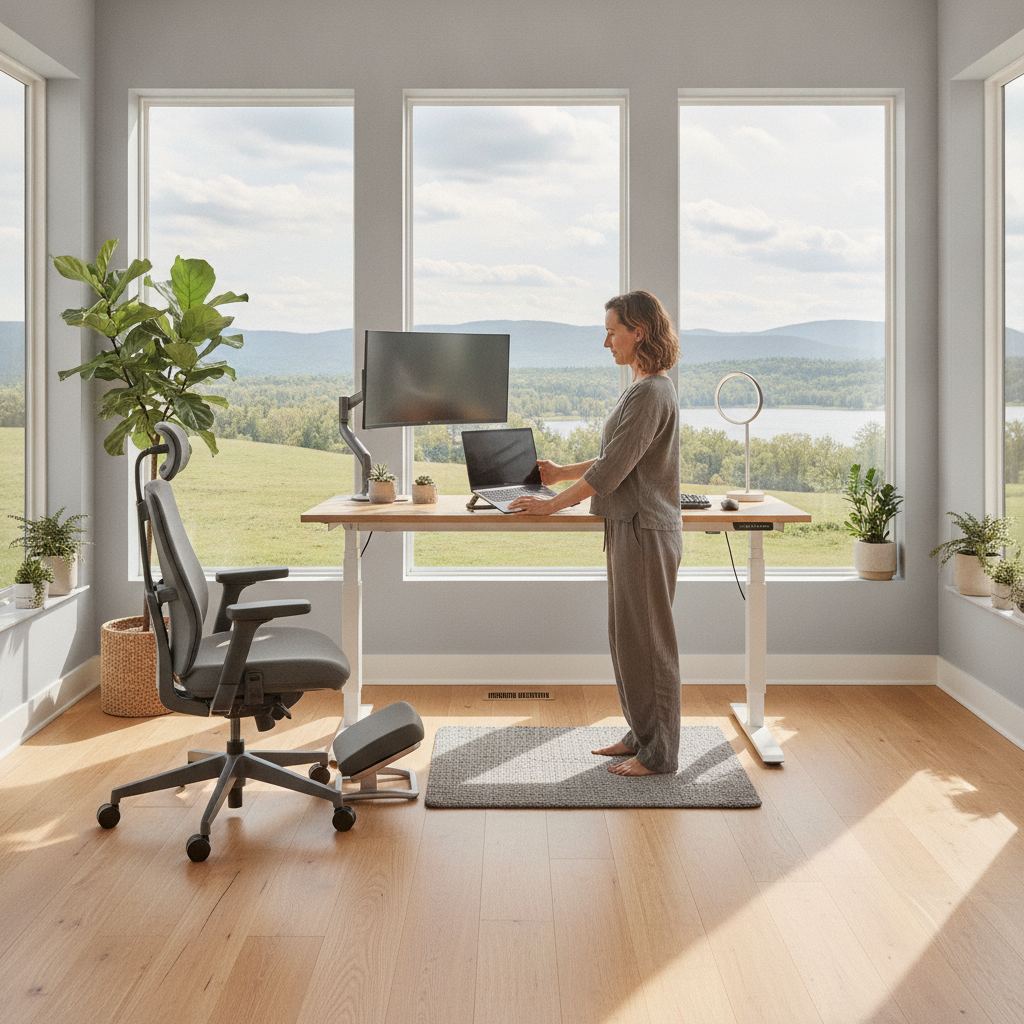
Standing desks have become a staple for small business owners, developers, and professionals looking to boost productivity and improve their health. However, without the right approach, even the best standing desk setup can lead to discomfort or back pain. That’s why understanding essential standing desk tips is crucial for anyone making the switch. In this guide, you’ll discover how to optimize your workspace, maintain good posture, and avoid common pitfalls that can lead to back pain. Whether you’re new to standing desks or looking to refine your routine, these practical strategies will help you stay comfortable and productive throughout the workday. Read on to learn how you can make the most of your standing desk experience and support your long-term well-being.
Standing Desk Tips for the Area
If you’re working in the area and have recently invested in a standing desk, you’re already taking a proactive step toward better health. Yet, simply standing isn’t enough. One of the most effective standing desk tips is to ensure your desk and monitor are at the correct height. Your elbows should be at a 90-degree angle, and your monitor should be at eye level to prevent neck strain. Remember to keep your wrists straight and shoulders relaxed to minimize tension. Consider using an anti-fatigue mat to reduce pressure on your feet and legs. For more advanced support, explore Standing Desk Tips for Grass Lake and learn about therapies that can complement your ergonomic efforts. These adjustments can make a significant difference in your comfort and productivity, helping you avoid the aches and pains that sometimes come with a standing desk lifestyle. For related information, see Standing Desk Tips for Grass Lake.
Standing Desk Tips for Grass Lake, MI
For residents and professionals in Grass Lake, MI, adopting effective standing desk tips is essential to prevent back pain and maintain a healthy work routine. One key strategy is to alternate between sitting and standing throughout the day. Experts recommend starting with 20 to 30 minutes of standing every hour, then gradually increasing as your body adapts. Proper footwear is another important factor; supportive shoes can help alleviate discomfort and improve posture. Additionally, take regular breaks to stretch your legs, shoulders, and back. These small movements can boost circulation and reduce stiffness. If you’re experiencing persistent discomfort, consider seeking back pain relief through professional therapies. By integrating these tips into your daily routine, you can enjoy the benefits of a standing desk while minimizing the risk of back pain or fatigue. For related information, see back pain relief.
Standing Desk Tips for Grass Lake Michigan
Implementing standing desk tips in Grass Lake Michigan can significantly enhance your comfort and productivity. One often overlooked aspect is the importance of movement. Standing still for long periods can be just as problematic as sitting. Try shifting your weight from one foot to the other, or gently rocking back and forth to keep your muscles engaged. Incorporate micro-breaks where you walk around the office or perform light stretches. Adjust your desk accessories, like keyboard and mouse, to ensure they’re within easy reach and promote a neutral wrist position. If you’re new to standing desks, use resources like Grasslakechiropractic to find personalized advice and support. Remember, the goal is to create a dynamic workspace that encourages healthy habits and reduces the risk of back pain over time. For related information, see Grasslakechiropractic.
Ergonomic Essentials for Standing Desk Users
Ergonomics is at the heart of effective standing desk tips. Start by positioning your monitor so the top is at or just below eye level, which helps keep your neck in a neutral position. Your keyboard and mouse should be close enough to avoid reaching, keeping your elbows tucked comfortably at your sides. Consider using a footrest if you notice fatigue in your legs, as it allows you to shift positions easily. Anti-fatigue mats are another excellent addition, providing cushioning for your feet and reducing strain on your joints. For those who want to ensure their setup is optimal, visiting a local resource like Grass Lake Chiropractic Center can provide tailored ergonomic assessments. By prioritizing ergonomics, you’ll not only prevent back pain but also boost your focus and energy throughout the workday.
How to Alternate Between Sitting and Standing
One of the most valuable standing desk tips is learning how to balance sitting and standing. Standing all day can be just as taxing as sitting, so it’s important to switch positions regularly. Start by standing for 20 minutes every hour, then gradually increase this time as your body adjusts. Use a timer or a reminder app to prompt you to change positions. When sitting, maintain good posture with your feet flat on the floor and your back supported. When standing, keep your knees slightly bent and avoid locking them. Listen to your body and switch positions if you start to feel discomfort. Over time, this balance will help you avoid fatigue and reduce the risk of developing back pain. Remember, movement is key to a healthy workday, so don’t hesitate to walk around or stretch during breaks.
Posture Perfection: Aligning Your Spine
Maintaining proper posture is a cornerstone of effective standing desk tips. Stand tall with your shoulders back, ears aligned over your shoulders, and your hips stacked over your ankles. Avoid slouching or leaning forward, as this can place unnecessary strain on your lower back. Keep your feet hip-width apart and distribute your weight evenly. If you find yourself leaning on one leg, reset your stance to maintain balance. Regularly check your posture throughout the day, especially when you feel fatigued. Consider setting up a mirror near your workspace to visually monitor your alignment. Practicing good posture not only prevents back pain but also improves your overall energy and focus. Over time, these habits will become second nature, supporting your long-term health and productivity at your standing desk.
Footwear and Floor Mats: The Foundation of Comfort
The right footwear and floor mats are essential standing desk tips for anyone looking to avoid back pain. Supportive, cushioned shoes can make standing for long periods much more comfortable. Avoid high heels or unsupportive flats, as these can lead to foot and back issues. In addition to proper shoes, invest in an anti-fatigue mat for your workspace. These mats provide extra cushioning, reduce pressure on your joints, and encourage subtle movements that keep your muscles engaged. If you work from home, consider using a thick rug or padded mat as a temporary solution. Regularly clean your mat to prevent slipping and maintain hygiene. By prioritizing your foundation, you’ll reduce fatigue and support your body’s natural alignment, making it easier to stand comfortably throughout the day.
Stretching and Micro-Movements for Desk Workers
Incorporating stretching and micro-movements into your day is one of the most effective standing desk tips. Prolonged standing can lead to stiffness, so it’s important to keep your muscles flexible and active. Set aside a few minutes each hour to stretch your legs, back, shoulders, and neck. Simple movements like calf raises, gentle twists, and shoulder rolls can make a big difference. Desk-friendly stretches, such as reaching overhead or touching your toes, help relieve tension and improve circulation. Consider using a reminder app to prompt you to move regularly. Over time, these small actions can prevent muscle imbalances and reduce the risk of back pain. By making stretching a regular part of your routine, you’ll feel more energized and comfortable during long workdays at your standing desk.
Table: Key Standing Desk Tips at a Glance
| Tip | Benefit |
|---|---|
| Alternate sitting and standing | Reduces fatigue and improves circulation |
| Use an anti-fatigue mat | Lessens joint stress and increases comfort |
| Maintain proper posture | Prevents back and neck pain |
| Wear supportive footwear | Reduces foot and lower back discomfort |
| Stretch regularly | Keeps muscles flexible and reduces stiffness |
| Adjust monitor and desk height | Supports healthy alignment and reduces eye strain |
Common Mistakes to Avoid with Standing Desks
Even with the best intentions, it’s easy to make mistakes when using a standing desk. One common error is standing in one position for too long, which can lead to muscle fatigue and joint pain. Another is setting your desk or monitor at the wrong height, causing you to hunch or crane your neck. Wearing unsupportive shoes or skipping an anti-fatigue mat also increases discomfort. Neglecting to move or stretch throughout the day can result in stiffness and poor circulation. To avoid these pitfalls, regularly assess your workspace and listen to your body’s signals. Adjust your setup as needed and stay proactive about incorporating movement into your routine. By steering clear of these common mistakes, you’ll maximize the benefits of your standing desk and support your long-term health.
When to Seek Professional Help for Back Pain
While following standing desk tips can greatly reduce your risk of back pain, sometimes discomfort persists despite your best efforts. If you experience ongoing pain, numbness, or tingling, it may be time to consult a professional. Local chiropractors and physical therapists can assess your posture, workspace, and movement patterns to identify underlying issues. Early intervention is key to preventing more serious injuries or chronic pain. Don’t ignore warning signs like sharp pain, persistent stiffness, or reduced mobility. A professional can recommend targeted exercises, ergonomic adjustments, or therapies to address your specific needs. Remember, your health is an investment, seeking expert advice early can help you stay active and productive for years to come. Prioritize your well-being and don’t hesitate to reach out for support when needed.
Final Thoughts
Adopting standing desk tips is a smart move for anyone looking to improve their work environment and prevent back pain. By focusing on ergonomics, alternating between sitting and standing, maintaining proper posture, and incorporating movement into your day, you set yourself up for long-term comfort and productivity. Remember the importance of supportive footwear and anti-fatigue mats, and don’t overlook the value of regular stretching. Avoid common mistakes by staying mindful of your body’s signals and making adjustments as needed. If discomfort persists, seeking professional advice from local experts can make all the difference. Ultimately, a well-designed standing desk routine can transform your workday, helping you feel energized, focused, and free from pain. Take these tips to heart and enjoy the many benefits of a healthier, more dynamic workspace.