
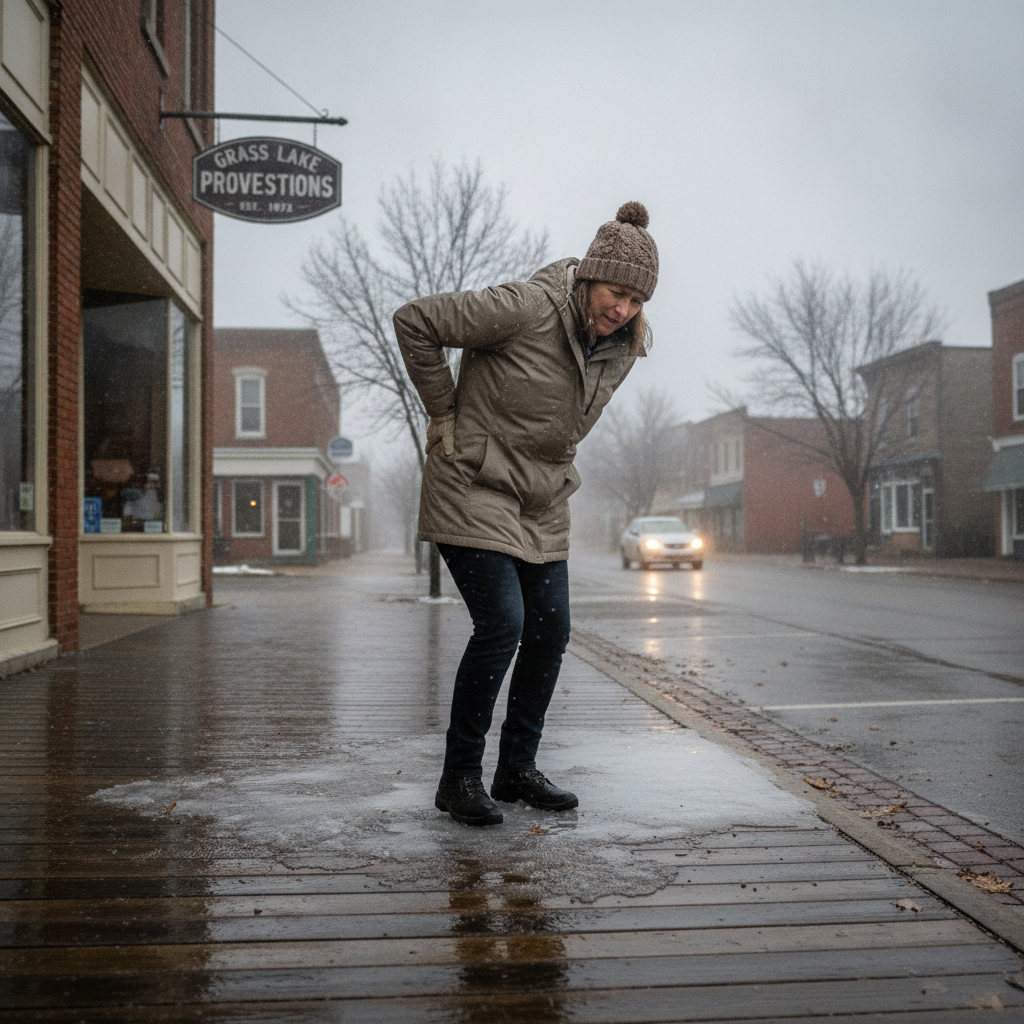
Back pain is a common concern for many people, especially for small business owners, developers, and residents who spend long hours at a desk or on their feet. If you’ve noticed your back pain flaring up during certain times of the year, you’re not alone. Many people wonder if the local weather could be playing a role in their discomfort. Understanding the relationship between weather patterns and back pain can help you take proactive steps toward relief. In this article, we’ll explore how shifts in temperature, humidity, and barometric pressure may contribute to your symptoms, and what you can do about it. We’ll also dive into the best options for Back Pain Treatment Grass Lake MI, so you can find lasting comfort no matter what the forecast brings. Whether you’re new to the area or have lived here for years, this guide will help you recognize weather-related triggers and empower you with practical solutions for managing your back health.
How Weather in the Area Affects Back Pain
Have you ever noticed that your back feels stiffer or more painful on certain days, even if you haven’t changed your routine? Many people in this community report that their back pain seems to worsen with shifts in local weather. While it might sound like an old wives’ tale, there’s growing scientific evidence that weather patterns can indeed impact musculoskeletal discomfort. Factors like temperature, humidity, and especially barometric pressure can influence how our bodies feel, particularly if you already deal with chronic back pain or conditions like arthritis.
Barometric pressure is the weight of the air in the atmosphere, and it fluctuates with changing weather. When a storm is approaching, the pressure drops, which can cause tissues in your body to expand slightly. This expansion may put extra pressure on nerves and joints, leading to increased pain or stiffness. Cold temperatures can also cause muscles and ligaments to contract, reducing flexibility and making movements more uncomfortable. For those who spend hours at a computer or on their feet, these weather changes can compound the strain already placed on the back.
Humidity is another factor to consider. High humidity can make the air feel heavier and may contribute to inflammation in the body. People with existing back issues often find that humid days make their pain worse. The combination of these weather elements can create a perfect storm for discomfort, especially if you’re already prone to back problems.
If you’re seeking more information or solutions, you can explore Back Pain Treatment Grass Lake MI to discover options tailored to the unique needs of our local climate and lifestyle.
Back Pain Treatment Grass Lake MI: Understanding the Local Climate Connection
The connection between weather and back pain is especially relevant for those seeking back pain treatment in this region. The climate here is characterized by distinct seasonal changes, including cold winters, humid summers, and frequent fluctuations in barometric pressure. Each of these weather patterns can have unique effects on the body, particularly for individuals with chronic pain or past injuries.
During the winter months, cold temperatures can cause muscles to tighten and joints to become less flexible. This can make everyday activities, such as shoveling snow or even walking to your car, more challenging and painful. On the other hand, summer brings high humidity, which can increase inflammation in the body and exacerbate existing pain. Rapid changes in weather, which are common in this area, can also trigger flare-ups for those with sensitive joints or nerve pain.
Understanding these patterns is crucial for effective back pain management. Local healthcare providers often recommend a combination of lifestyle adjustments, targeted exercises, and professional treatments to help patients adapt to the changing climate. For example, staying active during the colder months, using heat therapy, and maintaining good hydration in the summer can all help minimize weather-related discomfort.
By recognizing how the local climate affects your body, you can take proactive steps to reduce pain and improve your quality of life. Whether you’re a business owner, developer, or a resident who simply wants to stay active, understanding this connection is the first step toward lasting relief.
Back Pain Treatment Grass Lake Michigan: What Science Says About Weather and Pain
Scientific research has long explored the link between weather and pain, particularly for those suffering from chronic back issues. Several studies have found that changes in barometric pressure, temperature, and humidity can influence the severity of pain experienced by individuals with musculoskeletal conditions. While the exact mechanisms are still being studied, it is believed that fluctuations in pressure can cause tissues to expand or contract, leading to increased sensitivity and discomfort.
One notable study published in the journal Pain found that lower barometric pressure was associated with increased pain in individuals with chronic back pain and arthritis. The researchers suggested that the expansion of tissues during periods of low pressure could irritate nerve endings, making pain more pronounced. Other studies have shown that cold and damp weather can reduce blood flow to muscles and joints, further contributing to stiffness and discomfort.
While not everyone experiences weather-related pain, those who do often find that their symptoms are more severe during certain seasons or weather events. This highlights the importance of personalized treatment plans that take local climate factors into account. By working with healthcare professionals who understand these connections, you can develop strategies to minimize the impact of weather on your back health.
If you’re looking for effective solutions, consider treatments that address both the physical and environmental factors contributing to your pain. This holistic approach can help you stay comfortable and active, no matter what the weather brings.
Why Small Business Owners and Developers Are at Higher Risk
Small business owners and developers often face unique challenges when it comes to back pain, especially in a region with variable weather. Long hours spent sitting at a desk, standing on hard surfaces, or engaging in repetitive movements can put significant strain on the back. When you add in the effects of changing weather, the risk of discomfort and injury increases even further.
For business owners, the demands of running a company can lead to stress and tension, which may manifest physically as muscle tightness or spasms. Developers, on the other hand, may spend hours hunched over computers or working in environments that are not ergonomically optimized. Both groups are susceptible to the negative effects of cold, damp, or humid weather, which can exacerbate existing pain or trigger new issues.
To reduce risk, it’s important to prioritize ergonomics in the workplace, take regular breaks to stretch and move, and pay attention to posture. Investing in supportive chairs, adjustable desks, and proper footwear can also make a significant difference. Additionally, being proactive about back pain treatment and seeking professional guidance can help you stay ahead of weather-related flare-ups.
By understanding your unique risk factors and taking steps to mitigate them, you can maintain productivity and comfort throughout the year, regardless of what the weather brings.
Recognizing Weather-Related Back Pain: Symptoms and Triggers
Identifying whether your back pain is related to the weather can be challenging, as symptoms often overlap with other causes. However, there are some common signs and triggers that may indicate a connection. These include increased stiffness or soreness during periods of cold, damp, or rapidly changing weather, as well as flare-ups that coincide with storms or shifts in barometric pressure.
Some people report that their pain is worse in the morning or after being inactive for extended periods, especially when the weather is cold or humid. Others notice that their symptoms improve on warm, dry days. Keeping a pain diary can help you track patterns and identify potential triggers related to the local climate.
Common weather-related symptoms include:
- Increased stiffness or reduced range of motion
- Aching or throbbing pain in the lower back
- Muscle spasms or tightness
- Pain that worsens during storms or cold fronts
- Improvement in symptoms with heat or dry weather
If you notice these patterns, it may be time to consider weather as a contributing factor to your back pain and explore targeted treatment options.
Lifestyle Adjustments for Weather-Related Back Pain
Making small changes to your daily routine can have a big impact on managing back pain that’s influenced by the weather. Simple strategies like staying active, dressing appropriately for the season, and maintaining a healthy weight can help reduce strain on your back and minimize flare-ups.
During colder months, consider using heating pads or warm baths to relax muscles and improve circulation. Layering your clothing can help keep your muscles warm and flexible, reducing the risk of injury. In the summer, staying hydrated and avoiding prolonged exposure to high humidity can help prevent inflammation and discomfort.
Regular exercise is key to keeping your back strong and resilient. Focus on low-impact activities like walking, swimming, or yoga, which can improve flexibility and support spinal health. Stretching before and after physical activity can also help prevent stiffness and pain, especially during periods of changing weather.
By incorporating these habits into your routine, you can better manage weather-related back pain and enjoy greater comfort year-round.
Professional Back Pain Treatment Grass Lake MI: What to Expect
When self-care strategies aren’t enough, seeking professional back pain treatment is a smart step. Local clinics offer a range of services designed to address both the symptoms and underlying causes of back pain, with a special focus on the unique challenges posed by the area’s climate.
Treatment options may include chiropractic adjustments, physical therapy, massage, and personalized exercise programs. These therapies aim to restore proper alignment, improve flexibility, and reduce inflammation, helping you manage pain more effectively. Many providers also offer guidance on ergonomics and lifestyle changes to support long-term back health.
During your initial visit, your provider will assess your symptoms, medical history, and any patterns you’ve noticed related to weather changes. This comprehensive approach ensures that your treatment plan is tailored to your specific needs and goals. By working with a knowledgeable professional, you can develop a strategy that addresses both the physical and environmental factors contributing to your discomfort.
If you’re experiencing persistent or severe back pain, don’t hesitate to reach out for help. Early intervention can prevent minor issues from becoming chronic problems and help you stay active and comfortable, no matter the season.
Comparing Weather Factors: Table of Common Triggers and Solutions
| Weather Factor | Possible Effect on Back Pain | Suggested Solution |
|---|---|---|
| Cold Temperatures | Muscle tightness, reduced flexibility | Use heat therapy, dress warmly, stretch regularly |
| High Humidity | Increased inflammation, joint pain | Stay hydrated, use air conditioning, anti-inflammatory diet |
| Low Barometric Pressure | Tissue expansion, nerve irritation | Gentle exercise, pain tracking, consult a provider |
| Rapid Weather Changes | Flare-ups, increased sensitivity | Monitor symptoms, adjust activity, seek professional advice |
This table highlights some of the most common weather-related triggers for back pain and offers practical solutions to help you stay comfortable throughout the year. By being aware of these factors, you can take proactive steps to minimize discomfort and maintain your quality of life.
When to Seek Back Pain Treatment Grass Lake MI
Knowing when to seek professional help is key to managing back pain effectively. While occasional discomfort is common, persistent or severe pain should not be ignored. If your symptoms interfere with daily activities, do not improve with self-care, or are accompanied by other concerning signs (such as numbness, weakness, or loss of bladder control), it’s important to consult a healthcare provider.
Early intervention can prevent minor issues from becoming chronic problems and ensure that you receive the most appropriate care for your needs. Providers in the neighborhood are familiar with the unique challenges posed by the local climate and can offer tailored treatment plans to help you find relief. Don’t wait until your pain becomes unmanageable, reach out for support as soon as you notice a change in your symptoms.
Remember, effective back pain treatment is not one-size-fits-all. By working with a knowledgeable provider, you can develop a plan that addresses both the physical and environmental factors contributing to your discomfort.
Tips for Preventing Weather-Related Back Pain Flare-Ups
Prevention is always better than cure, especially when it comes to back pain. There are several steps you can take to reduce your risk of weather-related flare-ups and keep your back healthy year-round. Start by maintaining good posture, both at work and at home. Use ergonomic furniture, take regular breaks to stretch and move, and avoid sitting or standing in one position for too long.
Staying active is crucial for spinal health. Incorporate low-impact exercises like swimming, walking, or yoga into your routine to keep your muscles strong and flexible. Pay attention to your body’s signals and adjust your activity level based on the weather. For example, on cold or damp days, warm up thoroughly before engaging in physical activity and use extra caution to avoid injury.
Finally, be proactive about managing stress, as tension can contribute to muscle tightness and pain. Practice relaxation techniques such as deep breathing, meditation, or gentle stretching to keep your mind and body in balance. By taking these steps, you can minimize the impact of weather on your back and enjoy greater comfort throughout the year.
Bringing It Together
Back pain is a complex issue with many contributing factors, including the local weather. By understanding how temperature, humidity, and barometric pressure can influence your symptoms, you can take proactive steps to manage discomfort and maintain your quality of life. Whether you’re a small business owner, developer, or resident, staying informed and seeking appropriate back pain treatment Grass Lake MI can make a significant difference in your well-being.
Remember to track your symptoms, make lifestyle adjustments, and reach out for professional help when needed. With the right approach, you can minimize the impact of weather on your back and enjoy greater comfort, no matter the season. Take charge of your health today and discover the relief you deserve.