
Back pain can be a major obstacle for small business owners, developers, and anyone trying to stay active in their daily lives. Finding the right community resources for back pain treatment is essential for maintaining productivity and overall well-being. In this guide, we’ll explore how local support, clinics, and organizations can make a difference for those struggling with back pain. Whether you’re seeking advice, hands-on therapies, or group support, this article will help you navigate the best options available in the area. We’ll also highlight how community support plays a vital role in recovery and prevention, ensuring you can get back to what matters most. Read on to discover practical solutions and resources tailored for residents and professionals alike.
Community Resources for Back Pain Treatment in the City
Finding community resources for back pain treatment in the city is easier than many realize. Local clinics and wellness centers offer a variety of services, from chiropractic care to physical therapy. These establishments often collaborate with other organizations, creating a network of support for residents. For those looking for expert guidance on lifestyle changes and nutrition, visit our site for professional advice tailored to your needs. Community support is essential, as it connects individuals with similar experiences and provides encouragement throughout the recovery process. Many local businesses also host workshops and seminars focused on back health, giving people the tools they need to manage pain effectively. By tapping into these resources, individuals can take proactive steps toward pain relief and long-term wellness. Remember, the right support system can make all the difference when it comes to overcoming back pain and regaining your quality of life. For additional service details and local availability, readers can visit our site.
Community Support for Back Pain Treatment in Grass Lake, MI
Community support for back pain treatment in Grass Lake, MI is robust and multifaceted. Residents benefit from a range of services designed to address both acute and chronic pain. Local practitioners often emphasize a holistic approach, integrating physical therapy, chiropractic care, and nutritional counseling. For those seeking innovative therapies, options like red light therapy are becoming increasingly popular. If you are interested in learning more about these emerging treatments and how they can help, explore local support for back pain for details. Support groups and educational events are also available, offering a sense of community and shared experience. These gatherings provide valuable information on pain management techniques, stretching routines, and ergonomic tips for daily life. By participating in these local initiatives, individuals can gain practical knowledge and emotional encouragement, which are both crucial for effective back pain management and recovery. For related information, see local support for back pain.
Community Support for Back Pain Treatment in Grass Lake Michigan
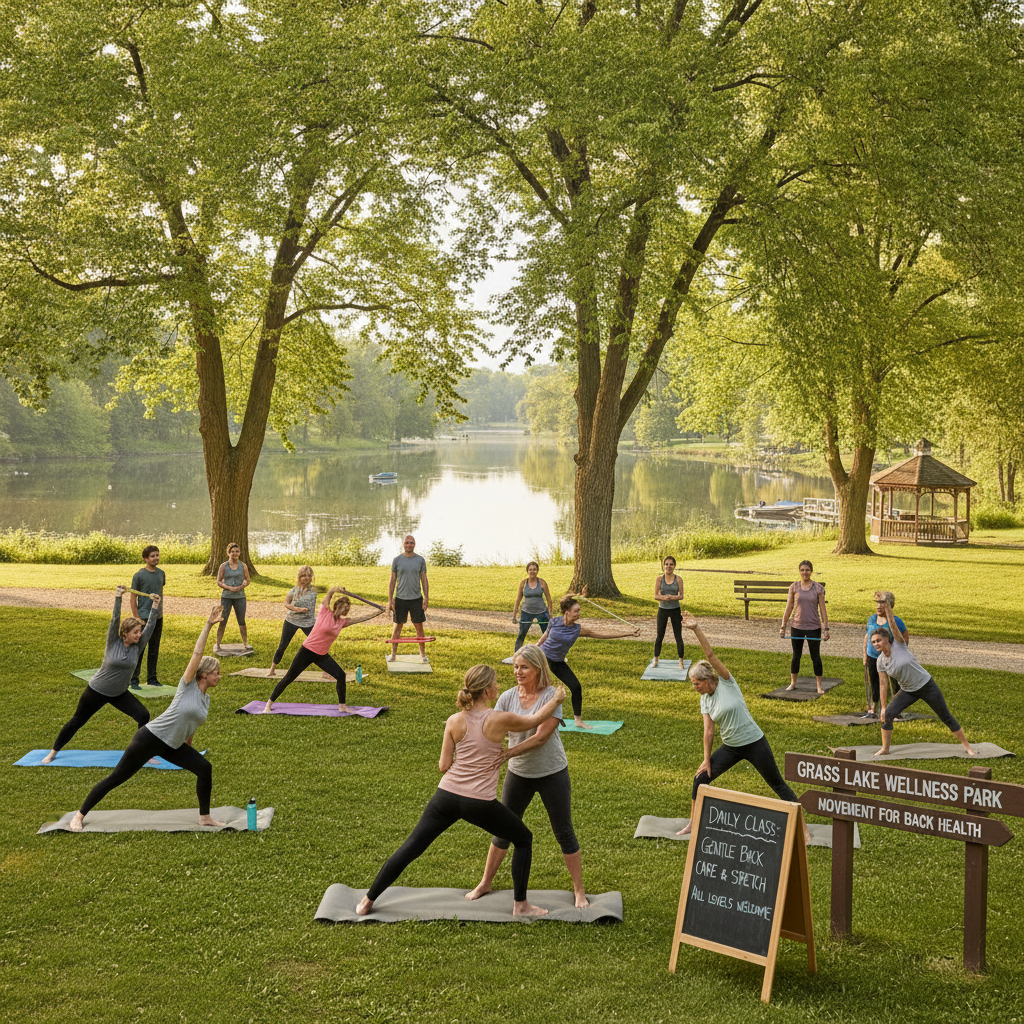
Community support for back pain treatment in Grass Lake Michigan extends beyond medical services. Local organizations and wellness groups often partner with healthcare providers to offer comprehensive care plans. These collaborations ensure that individuals have access to a wide range of resources, including exercise classes, mindfulness workshops, and educational seminars. For those looking for a trusted healthcare provider, the Grass Lake Chiropractic Center is a central hub for back pain relief and prevention. The center not only provides expert care but also organizes community events focused on back health. Residents are encouraged to take advantage of these opportunities to connect with others, learn new strategies for managing pain, and stay motivated on their journey to recovery. By fostering a strong sense of community, the area helps individuals feel supported every step of the way.
How Community Support Enhances Recovery
Community support for back pain treatment plays a significant role in the recovery process. When individuals feel connected to others who understand their struggles, they are more likely to stay motivated and adhere to treatment plans. Local support groups provide a safe space for sharing experiences, challenges, and successes. These groups often meet regularly, offering ongoing encouragement and accountability. In addition to emotional support, community resources often include access to educational materials, exercise programs, and professional advice. By participating in these activities, individuals can develop new coping strategies and gain practical tips for managing pain. The sense of belonging that comes from being part of a supportive community can make a tangible difference in both mental and physical health outcomes. Ultimately, leveraging local support networks can lead to faster recovery, reduced pain levels, and a better quality of life for those dealing with back pain.
Local Clinics and Wellness Centers
Local clinics and wellness centers are at the heart of community resources for back pain treatment. These facilities offer a variety of services, including chiropractic adjustments, massage therapy, and physical rehabilitation. Many centers employ a multidisciplinary approach, combining different therapies to address the root causes of pain. Patients can benefit from personalized treatment plans that incorporate manual therapies, exercise guidance, and lifestyle recommendations. Wellness centers often provide additional resources such as yoga classes, nutrition workshops, and stress management seminars. These offerings help individuals build healthy habits that support long-term recovery and prevention. By choosing a local clinic or wellness center, residents gain access to knowledgeable professionals who understand the unique needs of the community. The convenience of nearby care makes it easier for individuals to stay consistent with their treatment and achieve lasting results. Investing in local wellness resources is a proactive step toward a pain-free life.
Support Groups and Peer Networks
Support groups and peer networks are invaluable community resources for back pain treatment. These groups bring together individuals facing similar challenges, creating a sense of camaraderie and mutual understanding. Members share personal stories, coping strategies, and practical tips for managing pain in daily life. Many support groups are facilitated by healthcare professionals who provide expert guidance and ensure discussions remain focused and productive. Peer networks often extend beyond in-person meetings, with online forums and social media groups offering additional avenues for connection. By participating in these networks, individuals can access a wealth of information and encouragement at any time. The collective wisdom of the group helps members discover new approaches to pain management and stay motivated on their journey to recovery. Support groups also foster a sense of accountability, making it easier to stick with treatment plans and adopt healthy behaviors. Engaging with a peer network can be a powerful tool for overcoming the challenges of back pain.
Educational Workshops and Seminars
Educational workshops and seminars are essential community resources for back pain treatment. These events provide valuable information on topics such as posture, ergonomics, exercise, and pain management techniques. Led by experienced professionals, workshops offer practical demonstrations and hands-on learning opportunities. Attendees can ask questions, receive personalized advice, and practice new skills in a supportive environment. Seminars often feature guest speakers, including physical therapists, chiropractors, and nutritionists, who share the latest research and best practices for back health. Many workshops are free or low-cost, making them accessible to a wide range of community members. By attending these events, individuals can stay informed about new treatments and strategies for managing pain. Educational workshops also foster a sense of community, as participants connect with others who share similar goals and challenges. Taking advantage of these learning opportunities can empower individuals to take control of their back health and improve their overall quality of life.
Physical Activity and Exercise Programs
Physical activity and exercise programs are vital community resources for back pain treatment. Regular movement helps strengthen the muscles that support the spine, improve flexibility, and reduce the risk of future injuries. Many local gyms, recreation centers, and wellness organizations offer specialized classes designed for individuals with back pain. These programs may include low-impact activities such as yoga, Pilates, swimming, and gentle stretching routines. Instructors are often trained to modify exercises to accommodate different fitness levels and physical limitations. Group exercise classes provide motivation, accountability, and social interaction, making it easier to stay committed to a regular routine. In addition to structured programs, community walking groups and outdoor fitness events encourage residents to stay active and engaged. By participating in these activities, individuals can experience significant improvements in pain levels, mobility, and overall well-being. Incorporating physical activity into daily life is a key component of effective back pain management.
Access to Professional Guidance
Access to professional guidance is a cornerstone of community resources for back pain treatment. Healthcare providers such as chiropractors, physical therapists, and pain specialists offer expert assessments and personalized treatment plans. These professionals work closely with patients to identify the underlying causes of pain and develop strategies for relief. In addition to in-person consultations, many providers offer telehealth services, making expert advice more accessible than ever. Professional guidance extends beyond treatment, with practitioners offering education on injury prevention, ergonomics, and healthy lifestyle choices. By seeking out qualified professionals, individuals can ensure they receive safe, effective care tailored to their unique needs. Community health fairs and open houses are excellent opportunities to meet local providers, ask questions, and learn about available services. Building a relationship with a trusted healthcare professional is an important step toward achieving lasting back pain relief and maintaining overall wellness.
Integrative and Alternative Therapies
Integrative and alternative therapies are increasingly recognized as valuable community resources for back pain treatment. Modalities such as acupuncture, massage therapy, and mindfulness meditation can complement traditional medical approaches. Many local wellness centers offer these services, providing residents with a holistic approach to pain management. Integrative therapies focus on treating the whole person, addressing physical, emotional, and mental aspects of health. For example, acupuncture can help reduce inflammation and promote relaxation, while massage therapy relieves muscle tension and improves circulation. Mindfulness and meditation practices teach individuals how to manage stress and cope with chronic pain. These therapies are often used in conjunction with conventional treatments, creating a comprehensive care plan tailored to each individual’s needs. By exploring integrative options, individuals can discover new ways to manage pain, enhance their quality of life, and support long-term recovery. Community acceptance of alternative therapies continues to grow, making them more accessible to those seeking relief.
Nutrition and Lifestyle Counseling
Nutrition and lifestyle counseling are essential components of community resources for back pain treatment. Proper nutrition supports the body’s natural healing processes, reduces inflammation, and promotes overall wellness. Many local clinics and wellness centers offer counseling services to help individuals make healthier choices. Nutritionists and dietitians work with clients to develop personalized meal plans that address specific health concerns, including back pain. Lifestyle counseling may also cover topics such as stress management, sleep hygiene, and ergonomic adjustments at home and work. By adopting healthier habits, individuals can reduce their risk of recurring pain and improve their quality of life. Community workshops and group classes provide additional support, offering practical tips and encouragement for making lasting changes. Access to professional guidance ensures that individuals receive accurate information and ongoing motivation. Embracing a holistic approach to health can make a significant difference in managing and preventing back pain.
| Resource Type | Description | Typical Benefits |
|---|---|---|
| Chiropractic Care | Manual adjustments and spinal alignment | Pain relief, improved mobility |
| Physical Therapy | Exercise-based rehabilitation | Strength, flexibility, injury prevention |
| Support Groups | Peer support and shared experiences | Emotional support, motivation |
| Educational Workshops | Seminars on back health and pain management | Knowledge, practical skills |
| Integrative Therapies | Acupuncture, massage, mindfulness | Holistic healing, stress reduction |
The Road Ahead
Navigating back pain can be challenging, but with the right community resources for back pain treatment, individuals in this region have a wealth of support at their fingertips. From local clinics and wellness centers to support groups, educational workshops, and integrative therapies, there are numerous options to help manage and overcome back pain. Community support is a key factor in achieving lasting relief, offering both practical tools and emotional encouragement. By taking advantage of these resources, residents can create a personalized approach to pain management that fits their unique needs and lifestyle. Remember, recovery is a journey best traveled with the support of knowledgeable professionals and a caring community. Whether you are a small business owner, developer, or simply someone seeking relief, the area offers a comprehensive network designed to help you reclaim your health and well-being. Make use of the available resources, stay proactive, and move forward with confidence toward a pain-free future.