
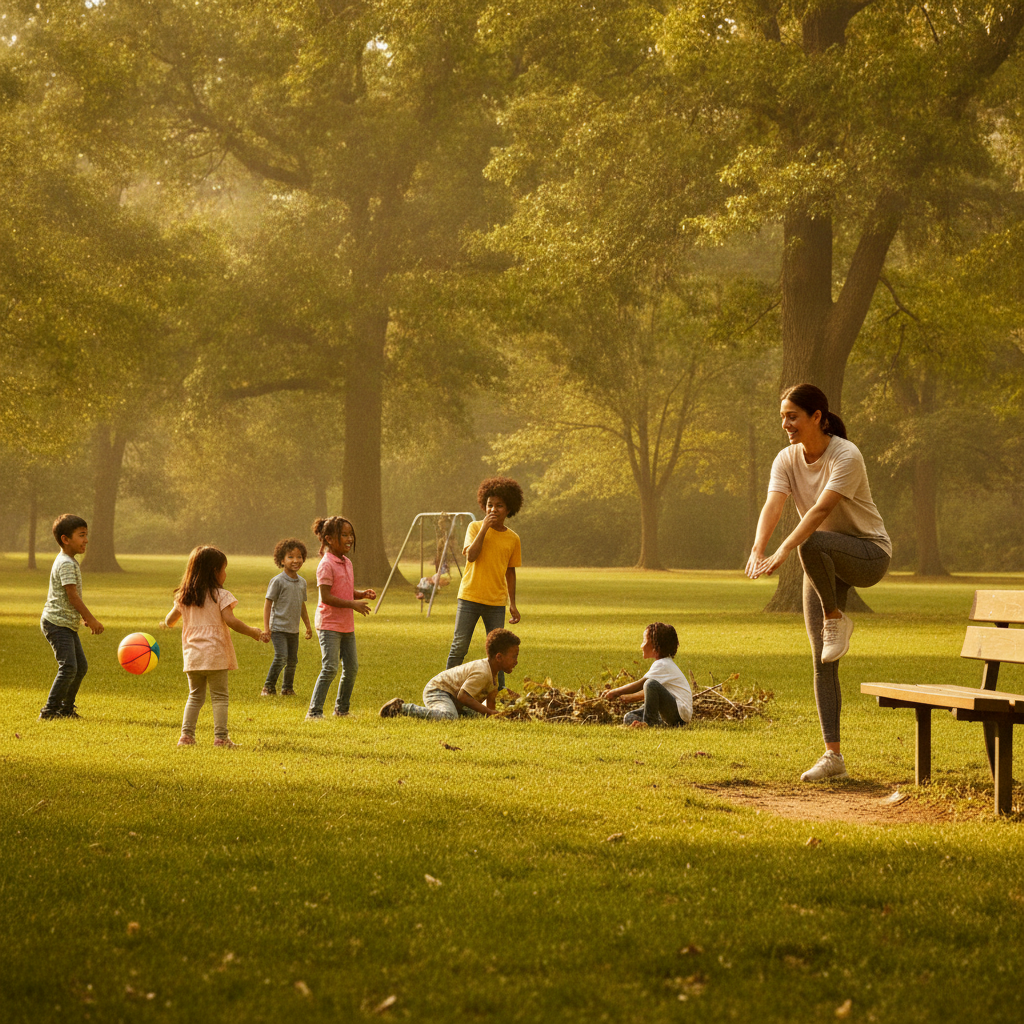
Childhood back pain is an issue that many parents in the area may not expect, yet it can impact kids of all ages. Whether your child is an active athlete, spends hours with a backpack, or enjoys time on screens, the risk of developing back pain is real. Understanding the causes, signs, and solutions for childhood back pain is crucial for parents who want to ensure their children grow up healthy and pain-free. In this guide, we’ll explore everything you need to know about childhood back pain, including why it happens, how to spot the symptoms early, and what you can do to help your child find relief and prevent future problems. By taking proactive steps, you can support your child’s well-being and help them enjoy an active, comfortable childhood. Let’s dive into the facts, practical tips, and local resources that can make a difference for families dealing with childhood back pain.
Understanding Childhood Back Pain in Grass Lake
Childhood back pain is becoming increasingly common, even in communities like this one. While adults often associate back pain with aging or injury, children can also experience discomfort due to a range of factors. Heavy backpacks, poor posture, sports injuries, and prolonged screen time are just a few contributors. Recognizing the signs of childhood back pain early is vital for effective intervention. Symptoms may include complaints of soreness, difficulty moving, or a reluctance to participate in activities. Parents should be attentive to these cues and consider how daily routines might be affecting their child’s spinal health. Addressing childhood back pain promptly can prevent future complications and support healthy development. For more information about related issues and how to manage them, visit back pain resources tailored for families in the region. For related information, see back pain.
Childhood Back Pain: Insights for Grass Lake, MI Parents
In Grass Lake, MI, parents are noticing a rise in childhood back pain cases. The increase is linked to lifestyle changes, such as more time spent on tablets and less outdoor play. Local healthcare providers emphasize the importance of early detection and intervention. If your child frequently complains of back discomfort, it’s essential to assess their daily habits. Are they carrying a heavy backpack? Do they slouch while studying or playing video games? Simple adjustments, like encouraging regular movement and teaching proper lifting techniques, can make a significant difference. Additionally, supportive footwear and ergonomic furniture can help reduce strain on a child’s spine. For parents seeking professional guidance, Grasslakechiropractic offers assessments and solutions tailored for young patients in this community. For related information, see Grasslakechiropractic.
Childhood Back Pain: What Grass Lake Michigan Families Should Know
For families living in Grass Lake Michigan, understanding childhood back pain is essential for maintaining your child’s health. The region’s active youth sports scene and academic demands can contribute to spinal stress. Parents should watch for signs like limping, changes in posture, or complaints of pain after physical activity. Early intervention is key, addressing back pain in childhood can prevent chronic issues later in life. Teaching kids about proper posture, stretching before sports, and the importance of taking breaks from sitting are all effective strategies. If your child’s pain persists, consult a healthcare professional for a thorough evaluation. For comprehensive care options, explore Grass Lake childhood back pain solutions designed to address the unique needs of young people in the neighborhood. For related information, see Grass Lake childhood back pain solutions.
Common Causes of Childhood Back Pain
There are several reasons why children may experience back pain. One of the most prevalent causes is carrying an overloaded backpack, which can strain developing muscles and ligaments. Poor posture, especially while using digital devices or sitting for long periods, also contributes to discomfort. Sports injuries, particularly in activities like football, gymnastics, or dance, are another common source. Sometimes, growth spurts can lead to temporary pain as the body adjusts. Less frequently, underlying medical conditions such as scoliosis or juvenile arthritis may be to blame. Parents should be aware of these potential causes and monitor their child’s activities and routines. If pain is persistent or severe, it’s important to seek professional advice. For local families, the Grass Lake Chiropractic Center is a valuable resource for assessment and support.
Recognizing the Signs of Childhood Back Pain
Identifying childhood back pain early allows for timely intervention and better outcomes. Children may not always articulate their discomfort clearly, so parents should look for indirect signs. These can include changes in activity levels, reluctance to participate in sports, or complaints about sitting or standing for long periods. Watch for postural changes, such as slouching or favoring one side. Some children may wake up in the night due to pain or have difficulty carrying their backpack. If you notice any of these signs, talk to your child about their symptoms and observe their daily habits. Early recognition and open communication are key to addressing childhood back pain before it becomes a chronic issue. Consulting a healthcare provider can help determine the cause and recommend appropriate treatment.
How Posture and Lifestyle Affect Kids’ Spinal Health
Modern lifestyles can have a significant impact on children’s spinal health. Prolonged sitting, whether at school or during screen time, often leads to poor posture. Slouching or hunching over devices puts extra pressure on the spine and can lead to muscle imbalances. Encouraging kids to take regular breaks, practice good posture, and engage in physical activity helps counteract these effects. Parents can set up ergonomic study spaces at home and remind children to sit upright with feet flat on the floor. Activities like swimming, yoga, or simple stretching routines can also promote spinal flexibility and strength. By making small lifestyle adjustments, families can help prevent childhood back pain and support overall well-being.
The Role of Sports and Physical Activity
Physical activity is crucial for children’s health, but it can sometimes contribute to childhood back pain if not managed properly. High-impact sports, repetitive movements, or inadequate warm-ups can strain the back muscles and joints. Parents should encourage their children to participate in a variety of activities to promote balanced development and reduce the risk of overuse injuries. Proper technique, appropriate equipment, and regular stretching are important for injury prevention. Coaches and trainers in the community can provide guidance on safe practices. If a child experiences pain after sports, rest and gentle stretching may help, but persistent symptoms should be evaluated by a professional. Supporting an active lifestyle while prioritizing safety can help children enjoy the benefits of exercise without unnecessary discomfort.
Backpacks and School-Related Back Pain
Heavy backpacks are a leading cause of childhood back pain. Carrying too much weight, especially on one shoulder, can strain the back and lead to poor posture. Experts recommend that a child’s backpack should not exceed 10-15% of their body weight. Look for backpacks with padded straps and multiple compartments to distribute weight evenly. Encourage your child to use both shoulder straps and to pack only what’s necessary for the day. Schools can help by providing lockers or allowing students to leave books in the classroom. Regularly check your child’s backpack and help them organize it efficiently. By addressing backpack habits, parents can significantly reduce the risk of back pain and support their child’s comfort at school.
When to Seek Professional Help for Childhood Back Pain
While many cases of childhood back pain resolve with rest and lifestyle changes, some situations require professional evaluation. If your child’s pain is severe, persistent, or accompanied by symptoms like numbness, weakness, fever, or unexplained weight loss, consult a healthcare provider immediately. Early intervention is especially important if there is a history of trauma or if pain interferes with daily activities. A thorough assessment may include a physical exam, medical history, and sometimes imaging studies. Treatment options vary and may include physical therapy, chiropractic care, or referral to a specialist. Prompt attention ensures that underlying conditions are identified and managed effectively, reducing the risk of long-term complications.
Home Strategies for Preventing and Managing Back Pain
Parents can take several proactive steps to prevent and manage childhood back pain at home. Encourage your child to maintain good posture and take breaks from sitting. Incorporate stretching and strengthening exercises into their daily routine. Ensure that their study and play areas are ergonomically friendly, with chairs and desks at the right height. Monitor backpack weight and teach your child how to lift and carry items safely. Promote a balanced diet and regular physical activity to support overall musculoskeletal health. If your child does experience back pain, use ice or heat packs as needed, and provide gentle support and reassurance. Consistent home care, combined with professional guidance when necessary, can help children recover quickly and prevent future episodes.
Table: Quick Reference for Childhood Back Pain Prevention
| Prevention Tip | How It Helps |
|---|---|
| Lighten Backpack Load | Reduces strain on back muscles and spine |
| Encourage Good Posture | Prevents muscle fatigue and misalignment |
| Regular Stretching | Improves flexibility and reduces injury risk |
| Limit Screen Time | Encourages movement and better posture |
| Promote Physical Activity | Strengthens muscles and supports spinal health |
Supporting Your Child’s Long-Term Spinal Health
Building healthy habits early is the best way to protect your child from ongoing back pain. Encourage open communication so your child feels comfortable discussing any discomfort. Model good posture and active living in your own daily routine. Stay informed about the latest recommendations for childhood back pain prevention and share resources with other parents in the community. Collaborate with teachers, coaches, and healthcare providers to create a supportive environment for your child. By working together, families can help children thrive, stay active, and enjoy a pain-free childhood. Remember, early action and consistent care are key to lifelong spinal health.
Final Thoughts
Childhood back pain is a growing concern, but with awareness and action, parents can make a meaningful difference. By understanding the causes, recognizing the symptoms, and implementing practical prevention strategies, you can help your child stay healthy and active. Remember to monitor daily habits, encourage good posture, and seek professional help when needed. The resources and support available locally make it easier than ever to address childhood back pain effectively. Empower your child with the tools and knowledge they need for a strong, pain-free future. Together, families in this city can ensure that childhood is a time of growth, movement, and well-being.